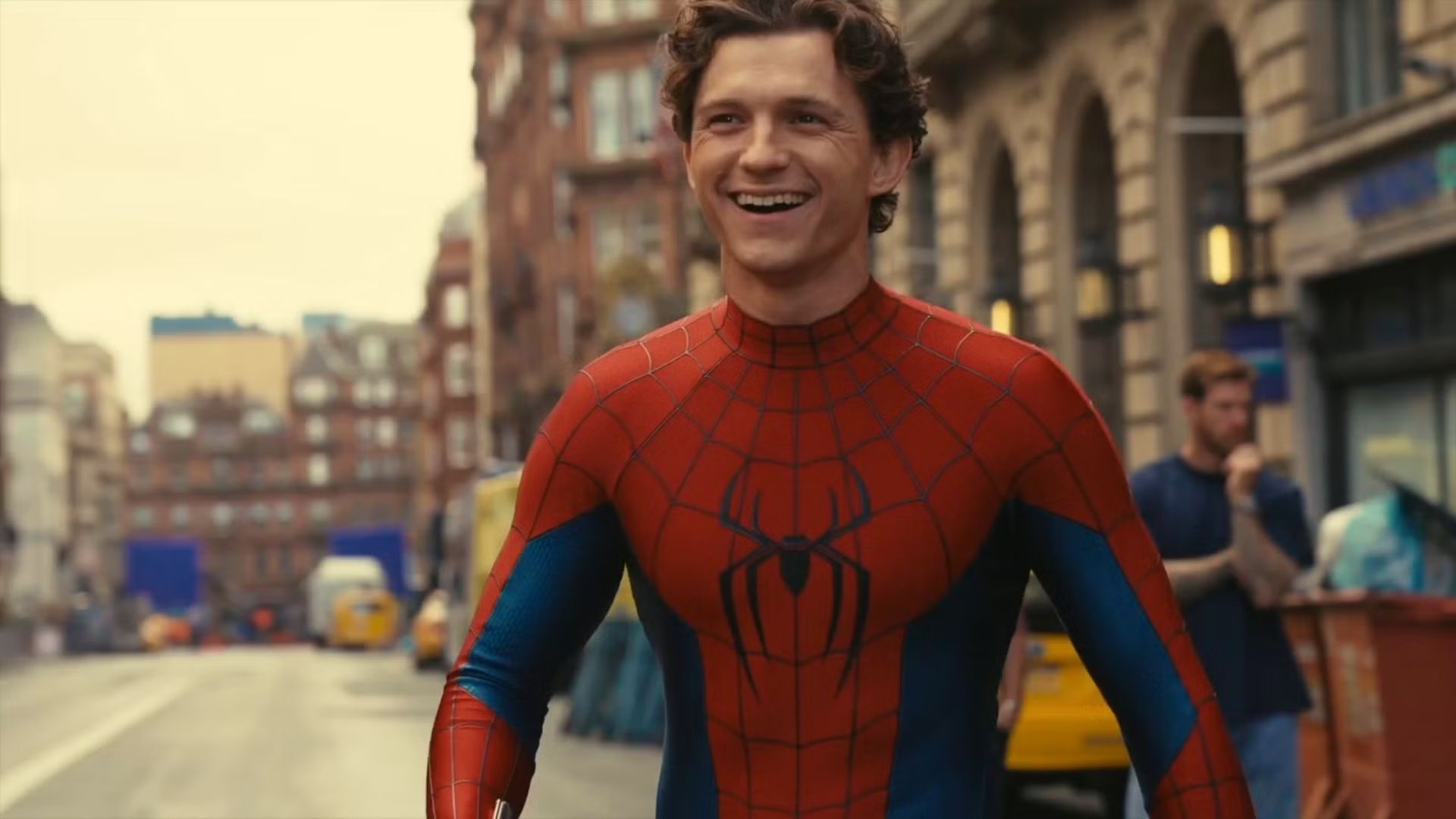
While discussions about superhero fatigue continue to dominate entertainment industry conversations and Marvel movies have experienced their share of stumbles in recent years, Spider-Man has just proven that the right project can still shatter expectations. Spider-Man: Brand New Day opened to an unprecedented $360 million domestically, surpassing Avengers: Endgame’s $357 million debut to claim the title of biggest opening weekend in North American box office history. This remarkable achievement has sent shockwaves through Hollywood and reignited conversations about the future of superhero cinema, particularly as another Spider-Man film is now officially confirmed to arrive in just ten months—and notably, it won’t feature Tom Holland in the lead role.
A Record-Breaking Achievement for the Web-Slinger
The success of Brand New Day represents more than just impressive numbers; it signals a significant shift in audience preferences and demonstrates that Spider-Man remains one of the most beloved and bankable characters in entertainment history. The previous record holder, Avengers: Endgame, had seemed nearly untouchable since its 2019 release, representing the culmination of over a decade of interconnected storytelling across the Marvel Cinematic Universe. For a single character film to surpass that ensemble event speaks volumes about Spider-Man’s enduring appeal across generations of fans. The character, created by Stan Lee and Steve Ditko in 1962, has consistently proven to be Marvel’s most commercially successful property, transcending comic books to dominate animation, video games, and live-action adaptations.
Industry analysts have noted that Spider-Man’s universal appeal lies in the relatability of Peter Parker‘s everyday struggles combined with the spectacular nature of his superhero adventures. Unlike billionaire heroes or Norse gods, Spider-Man represents the everyman—a character dealing with rent payments, relationship troubles, and family obligations while also saving the world. This accessibility has made the character particularly resonant with younger audiences while maintaining loyalty among longtime fans who grew up with various iterations of the web-slinger.
The Expanding Spider-Verse and Future Projects
The announcement that another Spider-Man film will arrive within ten months—without Tom Holland—points to the increasingly complex and lucrative Spider-Man franchise landscape. Sony Pictures, which holds the film rights to Spider-Man and related characters, has been aggressively expanding its Spider-Man Universe with various spin-offs and animated projects. The critically acclaimed Spider-Man: Into the Spider-Verse and its sequel, Across the Spider-Verse, have proven that audiences are hungry for different interpretations of the character beyond the traditional live-action format. These animated films have earned Academy Awards and demonstrated that innovation within the superhero genre is not only possible but financially rewarding.
The decision to pursue multiple Spider-Man projects simultaneously reflects a broader industry strategy of maximizing valuable intellectual property across different formats and demographics. While Tom Holland’s portrayal has defined the character for MCU audiences since his debut in Captain America: Civil War in 2016, the Spider-Man brand has proven elastic enough to support multiple concurrent interpretations. Miles Morales, Spider-Gwen, and numerous other spider-powered heroes from across the multiverse have developed their own passionate fanbases, creating opportunities for storytelling that would have seemed impossible just a decade ago.
What This Means for the Future of Superhero Cinema
The record-breaking success of Brand New Day arrives at a crucial moment for the superhero genre. Recent years have seen diminishing returns for several major comic book adaptations, leading to widespread speculation about audience exhaustion with the format. However, Spider-Man’s triumph suggests that the problem may not be superhero fatigue itself, but rather a need for compelling storytelling and beloved characters that audiences genuinely want to follow. Quality and emotional connection, rather than mere brand recognition, appear to be driving ticket sales in an increasingly competitive entertainment landscape where streaming services offer countless alternatives to theatrical releases.
The upcoming non-Holland Spider-Man project, whether animated or featuring an alternate universe version of the character, represents Sony’s continued confidence in the franchise’s ability to support multiple simultaneous storylines. This approach mirrors successful strategies in comic book publishing, where numerous Spider-Man titles have coexisted for decades, each offering different tones and interpretations. As Hollywood continues adapting to changing audience preferences and distribution models, Spider-Man’s consistent success provides a valuable template for franchise management in the modern era.
Expert Opinion: Spider-Man’s record-breaking performance suggests that audiences haven’t abandoned superhero films—they’ve simply become more selective. The franchise’s ability to support multiple concurrent interpretations across animation and live-action formats positions Sony uniquely in the marketplace. Expect studios to increasingly pursue this multi-format strategy with their most valuable properties, rather than relying solely on traditional sequels.