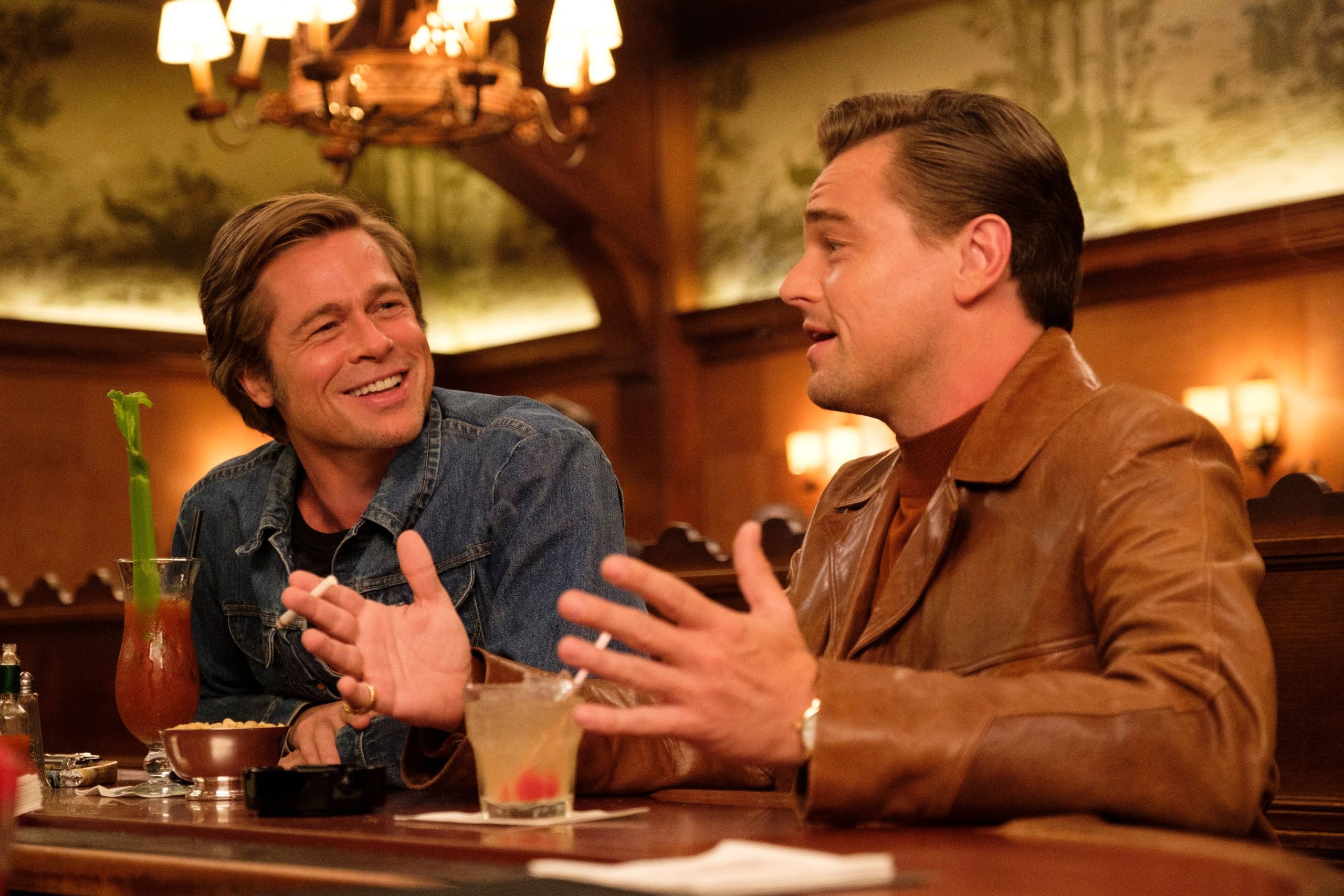
In a remarkable turn of events for cinephiles worldwide, Quentin Tarantino’s critically acclaimed film Once Upon a Time in Hollywood is receiving an official sequel, but with a surprising twist — the legendary Tarantino will not be directing it. Instead, the project has been entrusted to David Fincher, the visionary filmmaker behind iconic works such as Seven, Fight Club, and The Social Network. The sequel will center on Brad Pitt’s beloved stuntman character Cliff Booth, expanding the universe that captivated audiences in 2019. Netflix released a teaser trailer for The Adventures of Cliff Booth back in February, building anticipation among fans, and this week the streaming giant provided crucial updates about the film’s release strategy, including a new title, an IMAX theatrical release, and its eventual streaming debut on the platform.
A Bold Creative Decision: Passing the Torch Between Auteurs
The decision to have David Fincher helm a sequel to a Quentin Tarantino film represents an unprecedented moment in contemporary cinema. Both directors are considered among the most distinctive auteurs working today, each with unmistakable visual styles and storytelling approaches. Tarantino is renowned for his dialogue-heavy scripts, non-linear narratives, and extensive use of pop culture references, while Fincher is celebrated for his meticulous attention to detail, dark atmospheric tones, and psychological depth. The original Once Upon a Time in Hollywood, released in 2019, was a love letter to 1960s Los Angeles and the golden age of Hollywood, earning over $374 million worldwide and winning two Academy Awards, including Best Supporting Actor for Brad Pitt’s portrayal of Cliff Booth. The character resonated deeply with audiences, making him an ideal candidate for further exploration under a fresh directorial vision.
Brad Pitt’s Cliff Booth became an instant fan favorite, representing a complex blend of laid-back charm and underlying danger. The character’s mysterious past, hinted at throughout the original film with suggestions of violence and moral ambiguity, provides fertile ground for storytelling. Pitt’s Oscar-winning performance showcased a stuntman living on the fringes of Hollywood glamour, serving as the loyal companion and driver to Leonardo DiCaprio’s fading television star Rick Dalton. The chemistry between the characters and Pitt’s effortless screen presence made audiences eager to learn more about Booth’s background and adventures.
Netflix’s Strategic Release Plan
Netflix’s announcement this week confirmed several important details about the sequel’s distribution strategy. The streaming service has committed to an IMAX theatrical release before the film arrives on their platform, acknowledging the cinematic scale that both Fincher and the material demand. This hybrid release approach has become increasingly common as streaming services recognize the value of theatrical experiences for prestige projects. The IMAX release will allow audiences to experience Fincher’s signature visual craftsmanship on the largest possible screens, while the subsequent Netflix premiere will ensure global accessibility. The new title, while not yet publicly confirmed in full detail, signals a departure from the original film’s nostalgic framing toward a more adventure-focused narrative centered squarely on Cliff Booth’s exploits.
David Fincher has a long-standing relationship with Netflix, having directed the critically acclaimed films Mank and The Killer for the platform, as well as serving as executive producer on the groundbreaking series House of Cards and Mindhunter. His involvement guarantees a certain level of prestige and technical excellence that aligns with Netflix’s ambitions for awards recognition and critical acclaim. Industry analysts suggest this project represents Netflix’s continued investment in attracting top-tier filmmaking talent and competing directly with traditional studios for audience attention and industry accolades. The combination of Fincher’s direction, Pitt’s star power, and the built-in audience from Tarantino’s original film creates a promising formula for success.
The Legacy of Hollywood’s Golden Age on Screen
The original Once Upon a Time in Hollywood served as Tarantino’s meditation on the end of Hollywood’s golden era, using the backdrop of the Manson Family murders to explore themes of change, nostalgia, and the entertainment industry’s evolution. The film’s alternate history ending, where Booth and Dalton thwart the would-be murderers, provided a cathartic reimagining of one of American history’s most disturbing crimes. By focusing the sequel on Cliff Booth’s adventures, Fincher has the opportunity to explore different aspects of this richly constructed world while bringing his own thematic preoccupations to the material. His interest in morally complex protagonists, as seen in characters from films like Fight Club and Gone Girl, suggests Booth’s darker aspects may receive greater emphasis in this new chapter.
Expert Opinion: This collaboration represents a fascinating experiment in franchise filmmaking, proving that established cinematic universes need not remain tied to their original creators. If successful, The Adventures of Cliff Booth could establish a new model for prestigious sequels that honor source material while allowing fresh artistic voices to contribute. Industry observers will be watching closely to see whether audiences embrace this directorial handoff between two of cinema’s most celebrated auteurs.