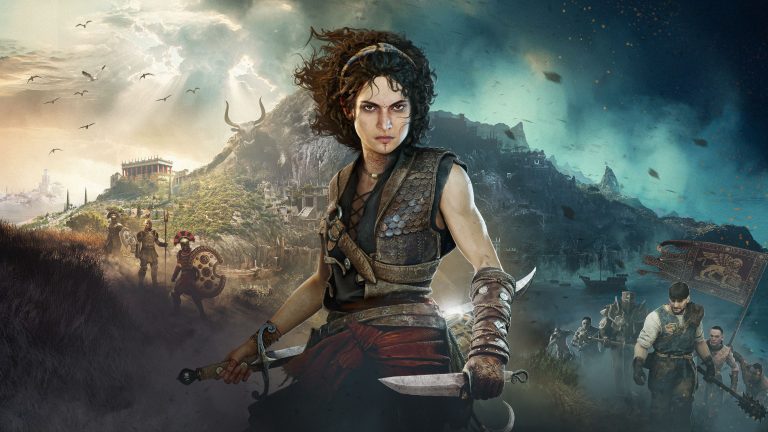
Game Freak, the legendary Japanese video game developer, has built an empire on the shoulders of pocket monsters. Since partnering with Nintendo in the early 1990s, the studio has been synonymous with Pokémon, crafting one of the highest-grossing media franchises in human history. Yet despite their monumental success, Game Freak has rarely ventured beyond the comfortable boundaries of catching and battling creatures. Beast of Reincarnation represents one of their rare departures from the Pokémon formula, offering players a different kind of monster-collecting experience that showcases both the studio’s strengths and their persistent weaknesses.
The development team’s history is worth examining to understand their creative trajectory. Game Freak was founded in 1989 by Satoshi Tajiri and Ken Sugimori, initially as a video game magazine before transitioning into game development. Their first commercial release was Mendel Palace for the NES in 1989, followed by work on Yoshi and other Nintendo titles. However, it was the release of Pokémon Red and Green in 1996 that catapulted them to international stardom. Since then, the studio has released dozens of Pokémon titles across multiple Nintendo platforms, generating billions in revenue and creating a cultural phenomenon that spans video games, trading cards, animated series, and merchandise.
Combat System Shines as the Game’s Centerpiece
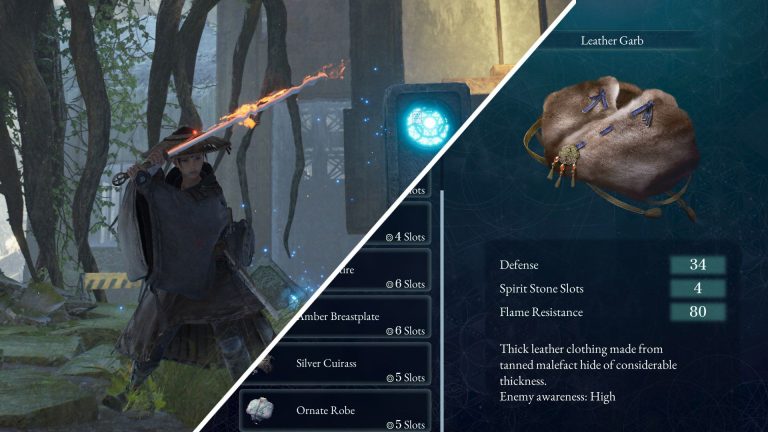
Beast of Reincarnation’s most compelling feature is undoubtedly its combat system. Game Freak has demonstrated their expertise in creating satisfying battle mechanics, drawing from decades of experience balancing Pokémon encounters. The game introduces a dynamic real-time combat system that feels refreshingly different from their turn-based roots while maintaining the strategic depth that fans have come to expect. Players must carefully consider creature types, abilities, and positioning, creating an engaging loop that rewards both quick reflexes and thoughtful planning. The beast companions themselves are designed with Game Freak’s signature charm, featuring creative designs that feel familiar yet distinctly separate from their Pokémon counterparts.
The progression system adds another layer of depth to the combat experience. As players advance through the game, they unlock new abilities and upgrade paths for their beasts, creating meaningful choices about how to build their team. The reincarnation mechanic, which allows defeated creatures to return in new forms with retained experience, adds an interesting twist to the traditional monster-collecting formula. This system encourages experimentation and reduces the frustration of losing a beloved companion, though some purists may find it diminishes the stakes of battle.
Narrative Falls Short of Expectations
Unfortunately, Beast of Reincarnation stumbles significantly in its storytelling department. The narrative follows a predictable hero’s journey that fails to capitalize on the intriguing premise suggested by the game’s title. Characters feel one-dimensional, delivering exposition-heavy dialogue that rarely develops into meaningful relationships or emotional moments. This criticism echoes long-standing concerns about Game Freak’s approach to storytelling, as even their mainline Pokémon titles have faced similar critiques regarding shallow narratives and underdeveloped characters. The world-building shows glimpses of potential, with interesting lore scattered throughout environmental details, but the main storyline never adequately explores these threads.
Industry analysts have noted that Game Freak’s relatively small team size, which has historically remained around 150 employees despite their massive commercial success, may contribute to limitations in scope and polish. The studio has faced increasing scrutiny in recent years over technical issues and design choices in their Pokémon releases, and some of these concerns carry over to Beast of Reincarnation. The game occasionally suffers from performance hiccups and repetitive quest design that pad out the runtime without adding meaningful content.
A Promising Step Outside the Comfort Zone
Despite its shortcomings, Beast of Reincarnation represents an important milestone for Game Freak as a studio willing to explore new creative territory. The game demonstrates that the development team possesses talents beyond their flagship franchise, particularly in creature design and combat mechanics. For players seeking a monster-collecting experience with more action-oriented gameplay, this title offers a solid, if imperfect, alternative. The foundation laid here could potentially evolve into something more ambitious in future iterations, should the studio choose to continue expanding this new intellectual property.
Expert Opinion: Beast of Reincarnation signals Game Freak’s tentative exploration beyond Pokémon’s shadow, and while the results are mixed, the combat innovations suggest the studio has untapped potential waiting to be realized. Future projects would benefit from expanded narrative teams and longer development cycles to match their mechanical ambitions with equally compelling storytelling.