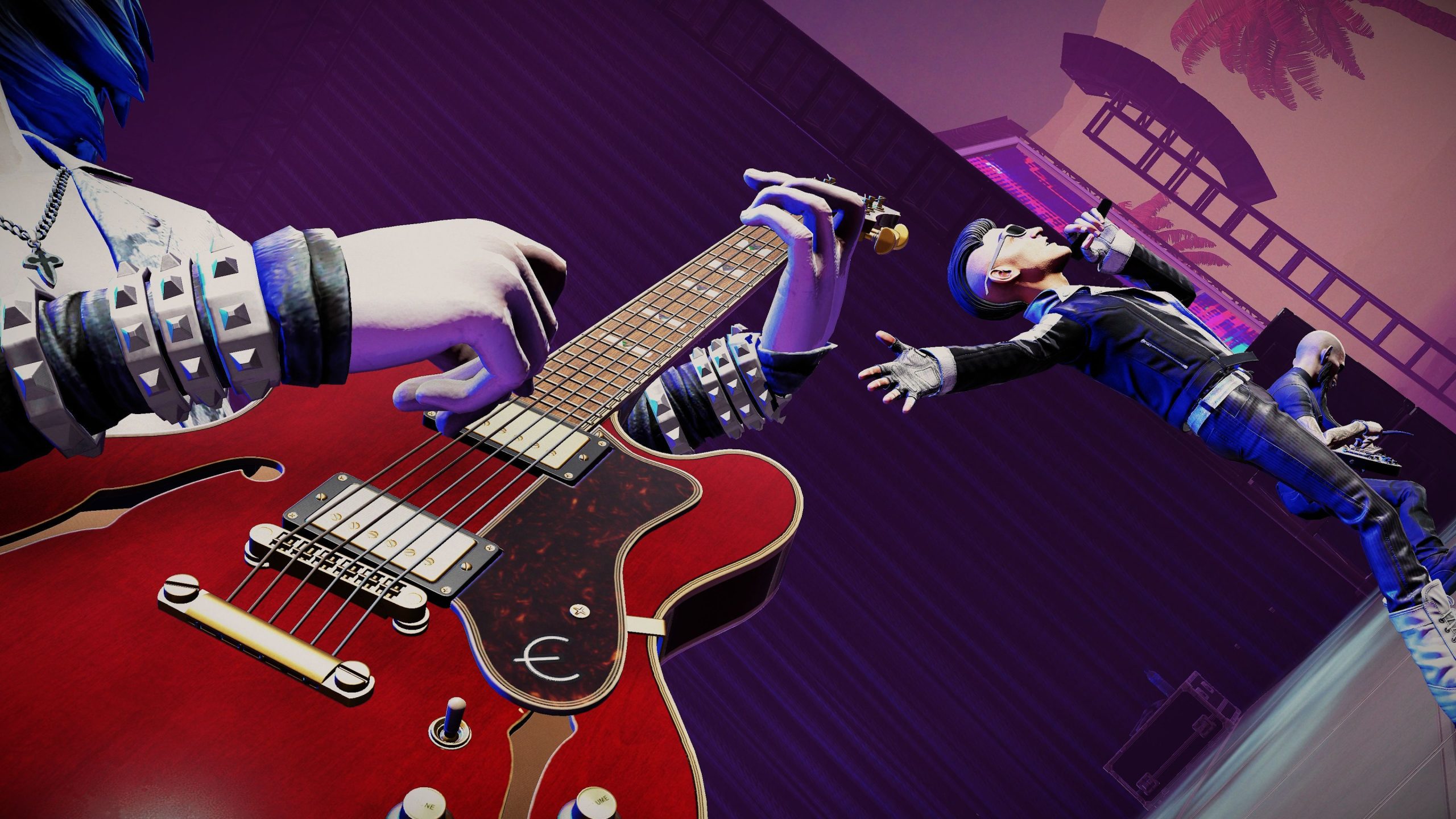
The rhythm gaming genre is making a triumphant comeback, and the original pioneers are leading the charge. RedOctane Games, the legendary studio that revolutionized gaming culture more than two decades ago, made a stunning appearance at Gamescom’s Opening Night Live presentation. Host Geoff Keighley unveiled Stage Tour, the spiritual successor to the iconic Guitar Hero franchise, to an enthusiastic crowd of gaming fans. The announcement has sent shockwaves through the gaming community, signaling that plastic instruments and virtual rock stardom may be ready to reclaim their place in living rooms worldwide.
The reveal included a confirmed release date of December 10, 2026, strategically positioned around The Game Awards ceremony. This timing appears intentional, potentially setting up Stage Tour for significant recognition during gaming’s biggest annual celebration. A brand-new trailer accompanied the announcement, featuring the adrenaline-pumping classic “Kickstart My Heart” by Mötley Crüe, immediately establishing the game’s commitment to delivering authentic rock anthems. Attendees at Gamescom have the opportunity to experience the game firsthand on the show floor, giving fans their first taste of what the development team has been crafting.
The Rise and Fall of Rhythm Gaming
To understand the significance of Stage Tour, one must appreciate the remarkable history of rhythm gaming. RedOctane originally launched Guitar Hero in 2005, and the game quickly became a cultural phenomenon that transcended traditional gaming audiences. At its peak between 2007 and 2009, the rhythm game genre generated billions of dollars in revenue annually, with Guitar Hero and its competitor Rock Band dominating sales charts. Living rooms across America and beyond transformed into makeshift concert venues, with families and friends gathering to hammer plastic buttons in time with rock classics.
However, market saturation and annual releases eventually led to franchise fatigue. By 2011, Activision had discontinued the Guitar Hero series, and the genre largely disappeared from mainstream gaming. Attempts at revival, including Guitar Hero Live in 2015, failed to recapture the magic of the original era. The intervening years have seen occasional indie rhythm games emerge, but nothing approaching the scale and cultural impact of the original plastic instrument phenomenon.
RedOctane’s Return and Industry Implications
RedOctane’s involvement in Stage Tour carries enormous symbolic weight for longtime fans. The company was instrumental in creating the original Guitar Hero before being acquired by Activision in 2006. Their return to the spotlight suggests a genuine passion project rather than a corporate cash-grab, potentially addressing criticisms that plagued later entries in the genre. Industry analysts have noted that nostalgia-driven gaming experiences have performed exceptionally well in recent years, with remasters and spiritual successors finding significant commercial success.
The timing of Stage Tour’s announcement also coincides with a broader resurgence of interest in social and party gaming experiences. Following years of online-focused multiplayer games, there appears to be renewed appetite for local cooperative and competitive experiences that bring people together in the same physical space. Stage Tour seems positioned to capitalize on this trend while leveraging decades of goodwill built by its predecessors. Whether the game will require new peripheral instruments or utilize existing controllers remains to be seen, but the December 2026 release window provides ample time for RedOctane to build anticipation and refine their vision for the next generation of rhythm gaming.
Expert Opinion: The rhythm game revival faces a challenging but potentially lucrative market. With gaming audiences increasingly seeking shared social experiences and nostalgia properties proving consistently bankable, Stage Tour arrives at an opportune moment. Success will likely depend on RedOctane’s ability to balance accessibility for newcomers with the depth that hardcore fans demand, while also solving the peripheral hardware puzzle that contributed to the genre’s original decline.