
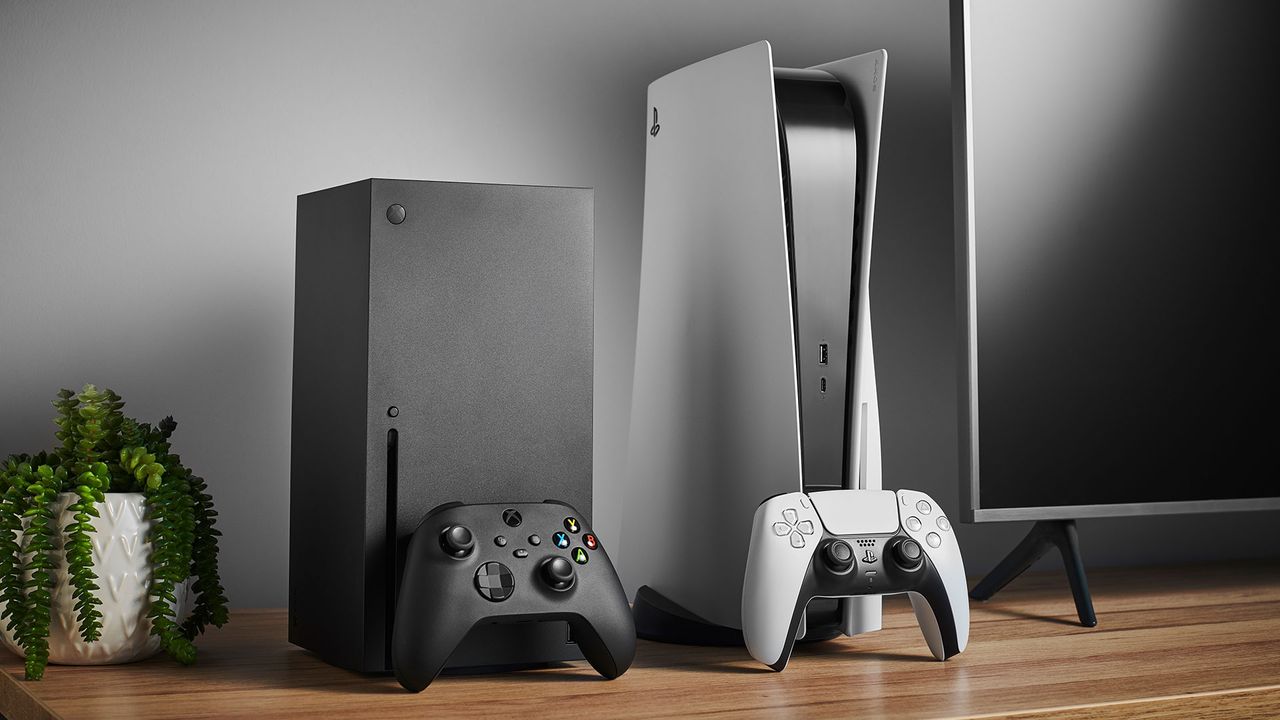
The video game console industry finds itself at a critical crossroads as manufacturers grapple with unprecedented cost pressures from multiple directions. Rising component costs, global supply chain disruptions, and international trade tensions have created what industry observers are calling the most challenging environment for console hardware in decades. Yet despite these headwinds, Unity Technologies CEO Matthew Bromberg remains cautiously optimistic about the future of console gaming, pointing to upcoming blockbuster releases as evidence that the platform remains fundamentally strong.
Bromberg, who leads one of the world’s most influential game development platforms, acknowledges the severity of the current situation while maintaining that these difficulties are ultimately temporary. “It’s been a difficult time for console hardware, which is under genuine cost pressure,” Bromberg told The Game Business in a recent interview. “It’s unprecedented and it’s wacky. The idea that things get more expensive is the upside down of how it usually works.” His assessment carries particular weight given Unity’s central role in the gaming ecosystem, with the company’s engine powering thousands of titles across all platforms.
The Perfect Storm of Cost Pressures
The challenges facing Nintendo, PlayStation, and Xbox are multifaceted and interconnected. All three major console manufacturers have implemented significant price increases over the past year, with Sony and Microsoft raising prices multiple times. The root causes trace back to a global shortage of RAM and other essential components, driven largely by the explosive growth of artificial intelligence infrastructure. AI data centers have created unprecedented demand for memory chips and processors, competing directly with gaming hardware manufacturers for limited semiconductor production capacity.
Compounding these supply-side issues are the tariffs implemented by the Trump Administration in the United States, which have added additional costs to imported electronic components and finished goods. These trade policies have sent ripples throughout the global electronics supply chain, affecting everything from smartphones to gaming consoles. Industry analysts estimate that tariffs alone have added between $50 and $100 to the manufacturing cost of each console unit, expenses that inevitably get passed along to consumers.
The Shift Away From Physical Media
Perhaps the most dramatic sign of the industry’s adaptation to these pressures came with Sony’s announcement that it will cease production of physical game discs by 2028 and enter the next console generation as a digital-only platform. This decision represents a fundamental shift in how games are distributed and consumed, ending decades of physical media dominance in the console market. The move is likely motivated by multiple factors, including manufacturing costs, environmental considerations, and the desire to capture a larger share of game sales revenue by eliminating retail middlemen.
The transition to digital-only consoles also raises concerns about game preservation, consumer ownership rights, and access for players in regions with limited internet infrastructure. However, proponents argue that digital distribution offers benefits including instant access, reduced environmental impact from physical production, and potentially lower prices as distribution costs decrease over time.
Demographic Challenges and Future Opportunities
Beyond the immediate cost pressures, Bromberg acknowledges a longer-term demographic challenge: younger generations of gamers are not replacing older console players at the same rate as previous generations. Mobile gaming, PC platforms, and changing entertainment preferences have created a more fragmented landscape for gaming hardware manufacturers. Despite this, Bromberg insists that “the platform is vibrant” and expresses confidence that the industry will adapt. “We will get more hit console entertainment. Costs will come down. And the industry will make games that will attract younger consumers over time,” he predicts.
The upcoming release of Grand Theft Auto VI, developed by Rockstar Games, stands as a potential proof point for Bromberg’s optimism. The title is expected to be one of the most significant game launches in history, potentially driving substantial console hardware sales despite elevated price points. Industry analysts suggest that truly exceptional software releases can overcome hardware cost barriers, at least for the most anticipated titles.
Looking Toward an Ambitious Future
Bromberg’s most striking predictions concern the future of game development itself. “There will be better, more engaging games built over the next ten years than were ever built over the prior ten,” he asserts. “We’re just beginning to scratch the surface of the level of persuasion and the intensity of engagement that we’re going to achieve.” This optimism about creative possibilities stands in contrast to more cautious industry voices who worry about development costs and market saturation. Some analysts have warned that if the PlayStation 6 and Xbox Project Helix launch at prices approaching $1,000, five-year sales could be 40% lower than the current PlayStation 5 generation. Whether Bromberg’s vision or these more pessimistic forecasts prove accurate will largely depend on how quickly the current cost pressures ease and whether the gaming industry can continue to deliver experiences compelling enough to justify premium hardware prices.
Expert Opinion: The console gaming industry appears to be entering a transitional period where traditional business models are being stress-tested by unprecedented economic and technological forces. While Bromberg’s optimism may be colored by his company’s financial interests, the underlying logic that transformative software releases can sustain hardware platforms through difficult periods has historical precedent. The next 18 to 24 months, particularly the launch of GTA VI and early pricing announcements for next-generation consoles, will be crucial in determining whether the industry can navigate these challenges without alienating its core audience.