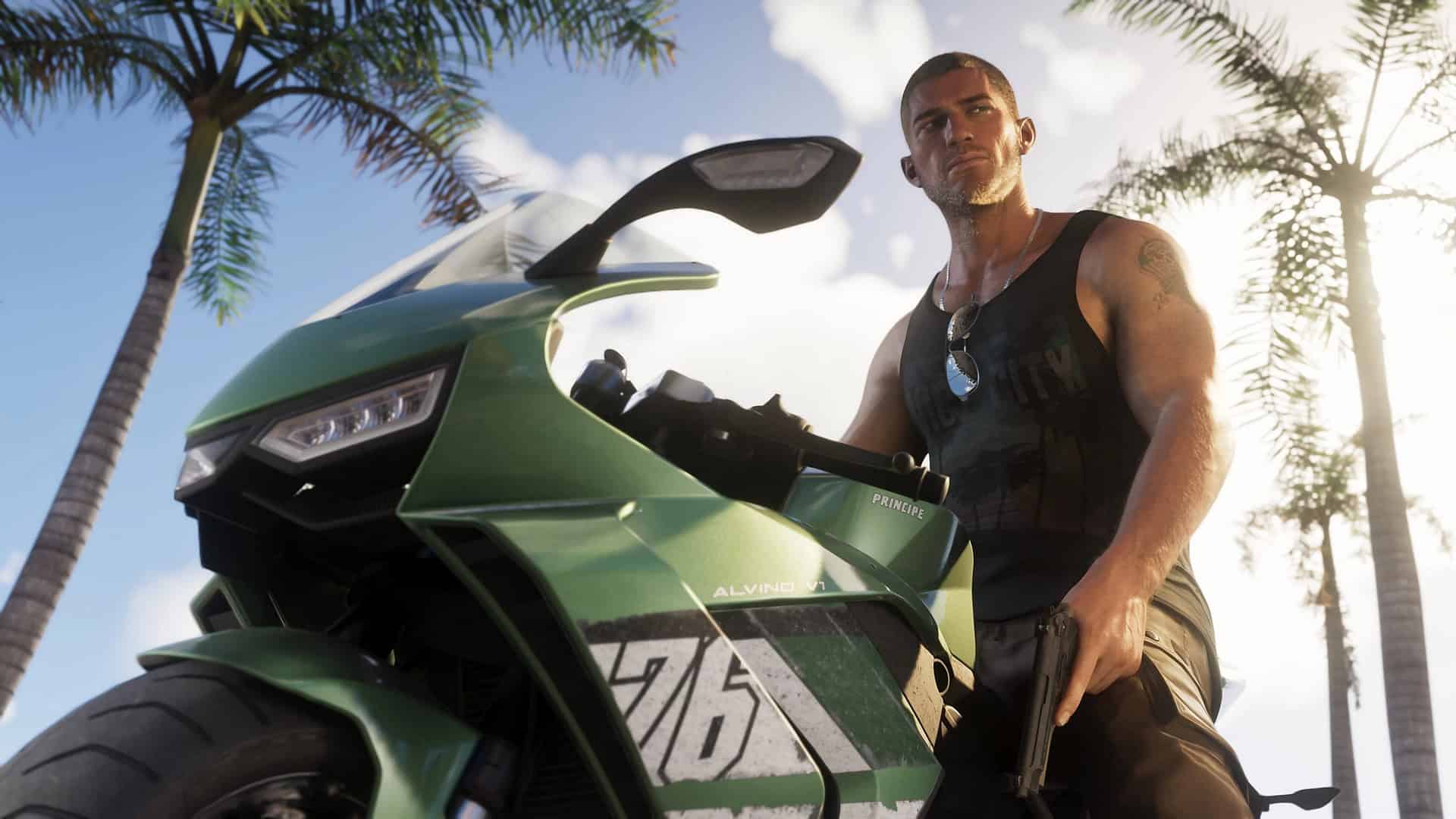
The gaming industry is bracing for what could be one of the most significant price discussions in recent memory as Take-Two Interactive CEO Strauss Zelnick has stepped forward to defend the $80 price point for the highly anticipated Grand Theft Auto 6. In recent statements, Zelnick argued that despite the premium cost, the upcoming title represents exceptional value for money, calling it “an incredible bargain” when considering the sheer amount of content and entertainment hours players will receive. The defense comes amid growing concerns from consumers about rising video game prices in an already expensive entertainment landscape.
The $80 standard edition price marks a notable increase from the traditional $60 price point that dominated the gaming industry for nearly two decades. This pricing strategy reflects broader industry trends, as publishers increasingly cite rising development costs, inflation, and the expanded scope of modern AAA titles as justification for higher retail prices. Take-Two’s decision to set this benchmark with GTA 6 is particularly significant given the franchise’s massive global following and the precedent it may set for future blockbuster releases from other major publishers.
The Economics Behind Modern Game Development
Understanding Take-Two’s pricing decision requires examining the dramatic changes in video game development over the past decade. Modern AAA titles like GTA 6 require development budgets that can exceed hundreds of millions of dollars, with teams sometimes numbering in the thousands of employees working across multiple studios worldwide. The original Grand Theft Auto V, released in 2013, reportedly cost around $265 million to develop and market, making it one of the most expensive entertainment products ever created at the time. Industry analysts suggest that GTA 6’s budget likely dwarfs its predecessor’s, given the technological advancements and expanded expectations from both developers and consumers.
The standard $60 price point for video games was established in the mid-2000s during the PlayStation 3 and Xbox 360 era. Remarkably, this price remained largely unchanged for approximately 15 years, even as development costs skyrocketed and inflation eroded the real value of that $60. When adjusted for inflation alone, a $60 game from 2005 would cost approximately $95 today, which actually makes the $80 price point seem more reasonable from a purely economic standpoint. Publishers have historically offset stagnant base prices through downloadable content, microtransactions, and special editions, but many are now arguing that base prices must eventually increase to sustain the industry.
Consumer Reactions and Market Implications
The consumer response to GTA 6’s pricing has been predictably mixed. While devoted fans of the franchise argue that Rockstar Games’ track record of delivering expansive, polished experiences justifies the premium, others express concern about the broader implications for gaming affordability. Social media platforms have seen heated debates, with some players pointing out that $80 represents a significant investment, particularly for younger gamers or those in regions with weaker currencies. The conversation also touches on questions of accessibility and whether premium pricing could create barriers for portions of the gaming community.
Industry analysts note that Take-Two is strategically positioned to test this higher price point with GTA 6 specifically because of the franchise’s unparalleled popularity and brand recognition. Grand Theft Auto V remains one of the best-selling video games of all time, with over 200 million copies sold worldwide. The game’s online component, GTA Online, has generated billions of dollars in additional revenue through its ongoing content updates and in-game purchases. This established ecosystem gives Take-Two confidence that their dedicated player base will accept the increased cost, particularly given the decade-long wait between major installments.
The Future of Video Game Pricing
As the release of GTA 6 approaches, the gaming industry watches closely to see whether Take-Two’s pricing strategy will become the new standard. Other major publishers, including Electronic Arts, Ubisoft, and Activision, have experimented with various pricing models but have generally been cautious about permanently raising base prices. The success or failure of GTA 6 at the $80 price point could influence industry-wide decisions for years to come. Meanwhile, alternative models such as subscription services like Xbox Game Pass continue to reshape how consumers access and pay for gaming content, potentially offering a counterbalance to rising individual game prices.
Expert Opinion: The $80 price point for GTA 6 represents a watershed moment for the gaming industry’s pricing structure. If Take-Two successfully maintains strong sales at this premium tier, we can expect other major publishers to follow suit within the next two to three years, effectively establishing a new baseline for AAA releases. However, this shift will likely accelerate the growth of subscription services and budget-conscious alternatives, potentially creating a more segmented market between premium and accessible gaming experiences.