In the early 2000s, Nintendo found itself at a critical crossroads. The gaming giant that had dominated the industry throughout the 1980s and 1990s was watching its market share erode as Sony’s PlayStation 2 commanded unprecedented consumer attention. It was during this turbulent period that two controversial games — Super Mario Sunshine and The Legend of Zelda: The Wind Waker — emerged as defining titles for the GameCube console. While these games arguably contributed to the console’s commercial struggles, they paradoxically laid the groundwork for Nintendo’s future creative renaissance and long-term survival as an independent gaming company.
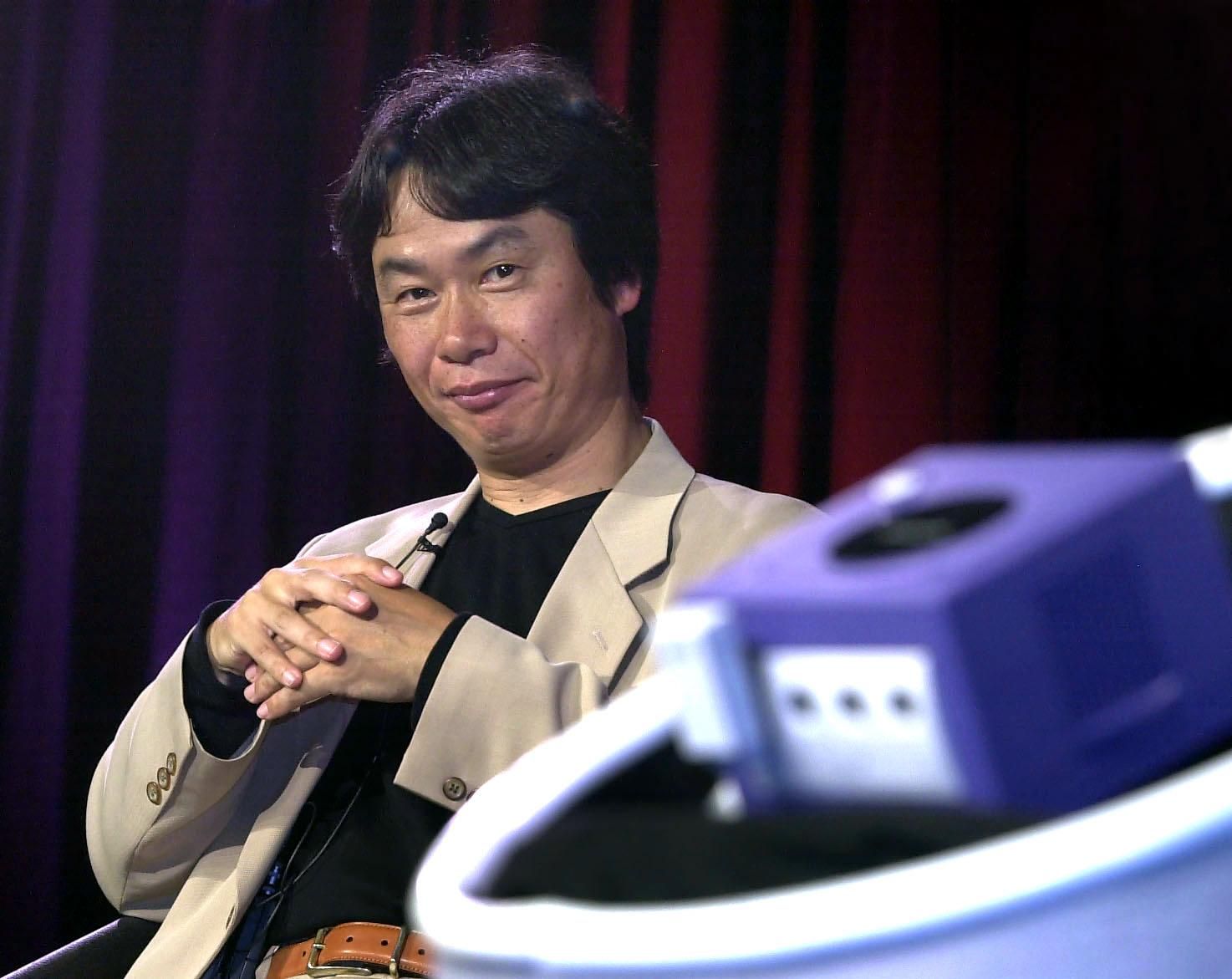
The GameCube, released in 2001, represented Nintendo’s first foray into disc-based gaming media. Competing against the PlayStation 2 and Microsoft’s Xbox, the purple lunchbox-shaped console faced an uphill battle from the start. Sony had already established dominance with its DVD-playing capability and massive third-party support, while Microsoft brought unprecedented computing power and online functionality to the console market. Nintendo needed its flagship franchises — Mario and Zelda — to deliver knockout punches that would reassert the company’s relevance in an increasingly crowded marketplace.
Bold Artistic Choices That Divided the Gaming Community
Super Mario Sunshine, released in 2002, took the beloved plumber to the tropical Isle Delfino in an adventure centered around cleaning up pollution using a water-spraying backpack called FLUDD. The game represented a significant departure from the universally acclaimed Super Mario 64, which had revolutionized three-dimensional platforming. Critics and fans were divided — while the gameplay innovations were undeniable, the vacation-themed setting and cleaning mechanics felt like a strange direction for gaming’s most iconic character. The game sold well by most standards, moving over five million copies, but these numbers paled in comparison to Mario’s previous triumphs and the competition’s blockbuster titles.
The Legend of Zelda: The Wind Waker, released in 2003, sparked even more controversy. Nintendo unveiled a cel-shaded, cartoon-like art style that replaced the realistic graphics fans had expected after seeing an impressive tech demo years earlier. The internet erupted with criticism, with fans derisively calling the game “Celda” and expressing disappointment at what they perceived as a childish direction for the mature fantasy franchise. The backlash was so severe that it became one of gaming’s most notorious examples of fan outrage preceding a product’s release.
Commercial Struggles and Critical Vindication
From a pure business perspective, both games underperformed relative to Nintendo’s hopes and the company’s historical dominance. The GameCube ultimately sold around 22 million units worldwide — a respectable number in isolation, but devastating when compared to the PlayStation 2’s 155 million units. Nintendo had slipped from industry leader to a distant third place, and the experimental nature of its flagship titles was frequently cited as a contributing factor. Many industry analysts at the time questioned whether Nintendo could survive as a hardware manufacturer, suggesting the company might need to follow Sega’s path and become a third-party software developer.
However, something remarkable happened as years passed: both games underwent significant critical reappraisal. Super Mario Sunshine’s tropical setting and FLUDD mechanics came to be appreciated for their creativity and the technical challenges they presented to skilled players. The Wind Waker’s art style, once derided as childish, proved timeless in a way that more realistic graphics from that era could never achieve. The game’s HD remaster for the Wii U in 2013 showcased just how well the cel-shaded visuals had aged, converting many former skeptics into passionate advocates.
The Legacy That Shaped Nintendo’s Future Philosophy
Perhaps most importantly, these games established a creative philosophy that would define Nintendo for decades to come. Rather than competing directly with Sony and Microsoft on technical specifications and realistic graphics, Nintendo learned to differentiate itself through artistic innovation and gameplay experimentation. This approach directly influenced the development of the Wii, which prioritized motion controls over processing power and became one of the best-selling consoles in history. The Switch continues this legacy, offering portability and unique experiences rather than raw technical capability.
The willingness to take creative risks that both Super Mario Sunshine and The Wind Waker embodied has become central to Nintendo’s corporate identity. Games like Breath of the Wild, which completely reimagined the Zelda formula, and Super Mario Odyssey, which embraced bizarre transformations and unconventional level design, owe a philosophical debt to these GameCube-era experiments. Nintendo survived the console wars not by matching competitors specification for specification, but by carving out its own distinctive space in the gaming landscape — a strategy that traces directly back to these supposedly failed experiments.
Expert Opinion: The GameCube era represents a pivotal moment when Nintendo was forced to accept it could no longer dominate through market share alone. Super Mario Sunshine and Wind Waker’s initial commercial disappointments actually provided invaluable data that shaped the company’s future strategy of innovation over imitation. This period ultimately proved that creative courage, even when initially punished by the market, builds the kind of loyal fanbase and distinctive brand identity that ensures long-term survival in an industry defined by constant technological disruption.