The gaming world has long sought to capture the enchanting essence of Studio Ghibli’s beloved animated films, but few have truly succeeded in translating that magical quality into interactive form. While Studio Ghibli has dabbled in video game development in the past—most notably with the obscure but charming Magic Pengel: The Quest for Color released in 2002—and countless developers have attempted to imitate the studio’s distinctive aesthetic, achieving the complete Ghibli experience in gaming remains an elusive goal. Creating something that merely looks like a Miyazaki or Takahata film is one thing, but without the heart, the profound themes, and that ineffable sense of magic, such efforts often amount to little more than beautiful but hollow reflections of the real thing.
Studio Ghibli, founded in 1985 by legendary directors Hayao Miyazaki and Isao Takahata along with producer Toshio Suzuki, has established itself as one of the most influential animation studios in cinema history. Films like Spirited Away, My Neighbor Totoro, Princess Mononoke, and Howl’s Moving Castle have captivated audiences worldwide with their breathtaking hand-drawn animation, complex environmental themes, and deeply human stories. The studio’s work is characterized by a unique combination of fantastical elements grounded in emotional authenticity, strong female protagonists, respect for nature, and a sense of wonder that appeals to both children and adults alike. These qualities have proven extraordinarily difficult to replicate in video game form, where the demands of gameplay mechanics often clash with the contemplative pacing that defines Ghibli storytelling.
The Challenge of Capturing Ghibli Magic in Games
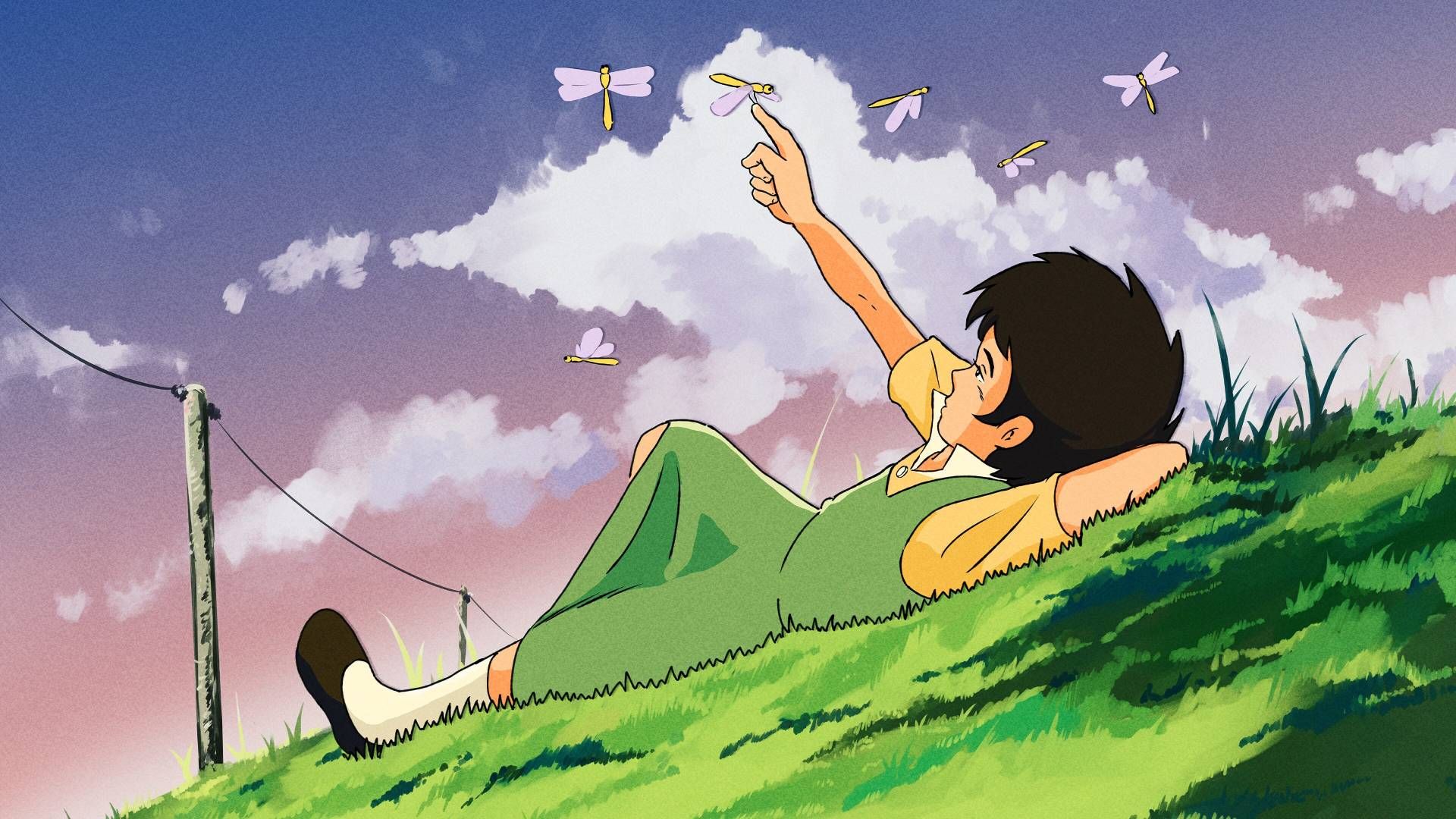
The intersection of Stardew Valley-style gameplay and Studio Ghibli aesthetics represents a potentially perfect marriage of interactive design and artistic vision. Eric Barone’s 2016 farming simulation phenomenon demonstrated that games could successfully capture feelings of warmth, community, and simple pleasures—themes that resonate strongly with Ghibli’s filmography. The life simulation genre, with its emphasis on daily routines, relationship building, and harmony with nature, seems ideally suited to embody the spirit of films like Only Yesterday or From Up on Poppy Hill. However, the key challenge lies not just in visual presentation but in creating systems that encourage players to slow down, appreciate small moments, and engage with the world in ways that feel genuinely meaningful rather than purely transactional.
Previous attempts to bring Ghibli’s magic to gaming have met with varying degrees of success. Level-5’s Ni no Kuni series, which featured actual animation work from Studio Ghibli, came closest to achieving this goal, particularly in its first installment released in 2010 for Nintendo DS and later expanded for PlayStation 3. The game received widespread acclaim for its beautiful animation sequences and emotional storytelling, though some critics noted that its traditional JRPG mechanics occasionally disrupted the Ghibli-like flow. More recently, indie developers have increasingly looked to the studio for inspiration, recognizing that players hunger for games that offer not just entertainment but genuine emotional nourishment and a sense of connection to something larger than themselves.
A New Era of Anime-Inspired Life Simulators
The growing popularity of cozy games has created fertile ground for Ghibli-inspired titles to flourish. Titles like A Short Hike, Spiritfarer, and Unpacking have demonstrated that there is a substantial audience for games that prioritize atmosphere, emotional resonance, and gentle gameplay over challenge and competition. This shift in gaming culture aligns perfectly with Ghibli’s philosophy of creating art that soothes and inspires rather than merely stimulates. The life simulation genre in particular has evolved significantly since the days of Harvest Moon, incorporating more sophisticated narrative elements, deeper character relationships, and more nuanced themes that mirror the complexity found in Ghibli’s finest works.
For developers attempting to create an authentic Ghibli-like experience, the devil is truly in the details. It requires understanding that Miyazaki’s films derive their power not from grand spectacles alone but from quiet moments—a character cooking a simple meal, wind rustling through grass, or the mundane transformed into the magical through attentive observation. A successful Ghibli-inspired game must make players feel that their virtual world is truly alive, filled with secrets waiting to be discovered and characters whose lives continue whether or not the player is watching. This demands exceptional attention to environmental storytelling, ambient sound design, and animation that breathes life into every corner of the game world.
Looking Forward to Gaming’s Ghibli Renaissance
As technology advances and indie development tools become more sophisticated, the prospect of games that truly capture the Ghibli spirit grows increasingly achievable. The key lies in understanding that Ghibli’s appeal transcends mere visual style—it encompasses a entire philosophy of storytelling that values empathy, environmental consciousness, and the celebration of ordinary life made extraordinary through love and attention. Games that successfully adopt this approach must move beyond surface-level imitation to embrace the deeper values that have made Studio Ghibli’s films timeless classics, creating experiences that players will remember not for their mechanics but for how they made them feel.
Expert Opinion: The convergence of cozy gaming trends with Ghibli-inspired aesthetics suggests we are entering a golden age for emotionally resonant life simulators. Developers who understand that Ghibli’s magic stems from philosophical depth rather than visual mimicry will likely produce the defining titles of this emerging subgenre. Expect to see increased collaboration between animation studios and game developers as the boundaries between interactive and passive storytelling continue to blur.