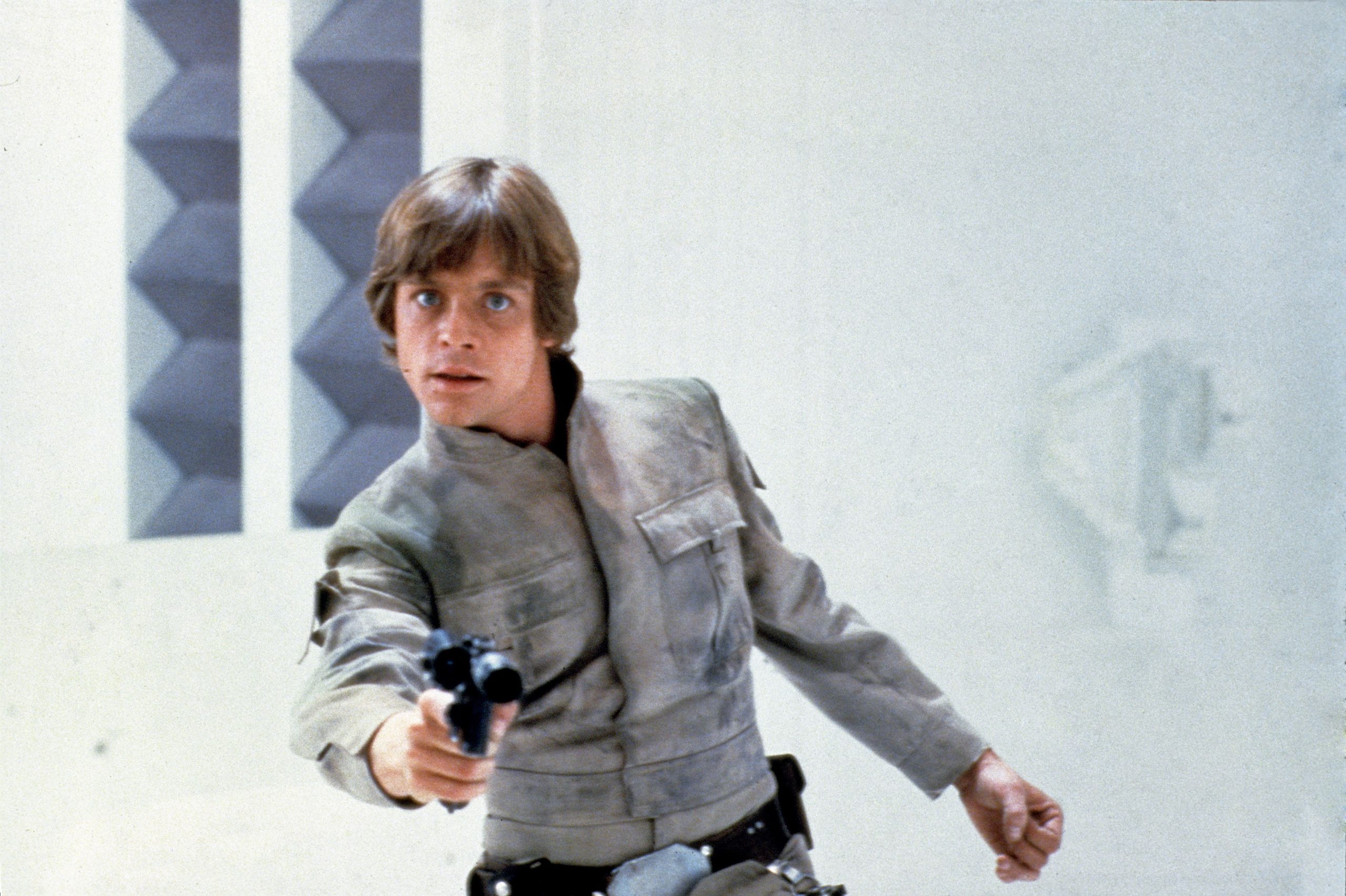
For nearly five decades, Star Wars has been virtually inseparable from the Skywalker Saga. Since the release of A New Hope in 1977, every major film and television series produced by Lucasfilm has, in some capacity, connected back to the central narrative of Anakin, Luke, Leia, and their descendants. Even projects that initially appeared to chart independent courses, such as The Mandalorian, eventually found ways to weave themselves into the Skywalker tapestry. This creative dependency has been both a blessing and a curse for the franchise, providing familiar touchstones for audiences while simultaneously limiting the vast storytelling potential of a galaxy far, far away.
The challenge of breaking free from this narrative gravitational pull has proven remarkably difficult for Lucasfilm. When the studio has attempted to venture into unexplored territory, the results have been mixed at best. The Acolyte, which sought to explore the High Republic era and the nature of the dark side independent of established characters, faced significant backlash from portions of the fanbase and was ultimately cancelled after a single season. Similarly, James Mangold’s ambitious Dawn of the Jedi project, intended to explore the ancient origins of the Jedi Order thousands of years before the Skywalker timeline, has languished in development uncertainty, leaving fans wondering if it will ever see the light of day.
The Weight of Legacy: Why Star Wars Struggles to Move Forward
The franchise’s reluctance to fully embrace new directions stems from a complex combination of corporate risk aversion and fan expectations. Disney’s acquisition of Lucasfilm in 2012 for approximately $4 billion came with enormous pressure to protect and maximize the value of one of entertainment’s most valuable intellectual properties. This has led to a conservative approach where familiar characters, settings, and storylines are prioritized over bold creative experiments. The sequel trilogy’s mixed reception, particularly The Last Jedi’s divisive narrative choices and The Rise of Skywalker’s attempt to course-correct, demonstrated the tightrope Lucasfilm walks between innovation and tradition.
Meanwhile, the studio continues to develop projects that return to well-trodden ground. Reports persist about Rey’s potential return in a new film directed by Sharmeen Obaid-Chinoy, while Dave Filoni’s upcoming Mandalorian-connected movie promises to unite various Disney Plus series characters in what feels like another attempt to recreate the ensemble magic of the original trilogy. This pattern of nostalgia-driven storytelling has become so prevalent that many observers wondered if Star Wars would ever truly evolve beyond its foundational mythology.
Breaking the Mold: A New Hope for Storytelling
The significance of a new Star Wars property successfully establishing itself outside the Skywalker framework cannot be overstated. For a franchise that has spent nearly fifty years orbiting the same family drama, the ability to captivate audiences with entirely fresh characters and conflicts represents a crucial evolution. This shift mirrors what other successful franchises have accomplished—Marvel’s expansion beyond its core Avengers roster, or Star Trek’s ability to tell stories across different eras and crews. Star Wars has the unique advantage of possessing extraordinarily rich lore spanning thousands of years and countless worlds, yet this potential has remained largely untapped in live-action productions.
The financial and creative stakes involved in such departures are immense. Each Star Wars production carries budgets often exceeding $100 million for series and significantly more for theatrical releases. Studio executives understandably gravitate toward proven concepts when such substantial investments are on the line. However, the franchise’s long-term health arguably depends on its ability to cultivate new mythologies that can resonate with future generations of viewers who may not share the same nostalgic connection to Luke Skywalker’s journey. The success of animated series like The Clone Wars and Rebels in developing beloved new characters offers a template, but translating that success to high-profile live-action projects has proven elusive until now.
The Future of the Galaxy
What makes this breakthrough particularly noteworthy is the efficiency with which it was accomplished. Rather than requiring extensive runtime to justify its existence or multiple callbacks to establish legitimacy, the new approach demonstrates confidence in its own storytelling merit. This represents a maturation of the Star Wars brand—an acknowledgment that the universe’s appeal extends beyond any single family lineage or predetermined destiny. For longtime fans who have yearned to explore truly uncharted territories within this beloved setting, and for newcomers seeking entry points unburdened by decades of continuity, this development signals a promising new chapter in Star Wars storytelling.
Expert Opinion: This shift represents a critical inflection point for the Star Wars franchise. If Lucasfilm can successfully cultivate multiple independent storylines that achieve both critical acclaim and commercial success, the brand’s longevity could extend far beyond what nostalgia-dependent storytelling allows. The key will be maintaining this creative courage while resisting the inevitable pressure to reconnect new properties to the Skywalker mythology—a temptation that has undermined previous attempts at expansion.