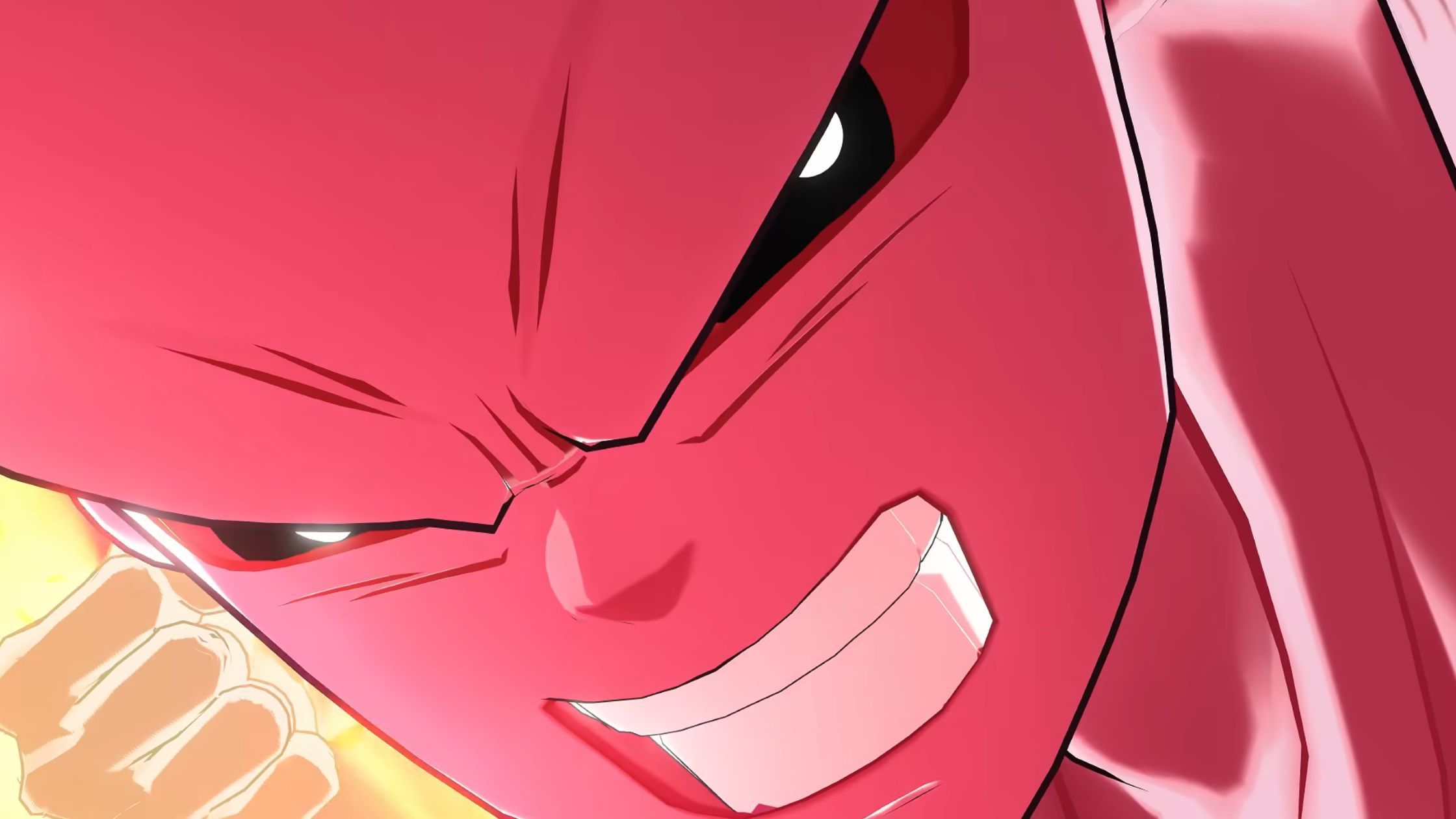
The Dragon Ball franchise continues to evolve and surprise its global fanbase with new transformations and power-ups that push the boundaries of what viewers thought possible. In the latest development that has sent shockwaves through the anime community, the series has officially unveiled a brand new full power form for one of its most divisive characters. This revelation comes as part of the ongoing expansion of the Dragon Ball universe, which has consistently introduced new forms and abilities since its inception in the 1980s, keeping longtime fans engaged while attracting new generations of viewers to the iconic shonen series.
Dragon Ball has its fair share of beloved and iconic characters from across the franchise, but not all of them have garnered universal praise from the fanbase over the years. While legendary warriors like Goku, Vegeta, Piccolo, and Future Trunks have become enduring fan favorites with dedicated followings that span decades, others have earned considerably less affection from the community. The franchise created by Akira Toriyama, who passed away in March 2024, has always been willing to take creative risks with its character development, sometimes to mixed reception from its passionate audience.
The Legacy of Dragon Ball Transformations
Transformations have been a cornerstone of Dragon Ball storytelling since the introduction of the Great Ape form in the original series. The concept reached new heights with the debut of Super Saiyan during the iconic Frieza Saga on Planet Namek, a moment that remains one of the most memorable scenes in anime history. Since then, the franchise has introduced numerous power-ups including Super Saiyan 2, Super Saiyan 3, Super Saiyan God, Super Saiyan Blue, Ultra Instinct, and Ultra Ego, each representing a new plateau of strength that characters must achieve to overcome increasingly powerful adversaries. These transformations have become cultural touchstones, inspiring countless other anime series and establishing a template for power progression in the shonen genre.
The introduction of new forms for controversial or less popular characters represents a strategic move by the creative team to rehabilitate these figures in the eyes of fans. Throughout Dragon Ball’s history, characters who initially received negative reception have sometimes been redeemed through significant power boosts or character development arcs. This approach allows the series to give underutilized characters moments to shine while simultaneously introducing fresh combat dynamics that prevent battles from becoming repetitive. The Dragon Ball Super era in particular has been notable for expanding the roster of relevant fighters beyond just Goku and Vegeta.
Fan Reception and Community Response
The Dragon Ball community has historically been vocal about their preferences regarding characters and storylines, with social media platforms and fan forums serving as battlegrounds for debates about the direction of the series. Some characters have faced criticism for various reasons, including perceived weakness compared to main protagonists, controversial personality traits, or storylines that fans felt were underdeveloped or poorly executed. The decision to grant such characters new powerful forms is often met with mixed reactions, as some fans celebrate the opportunity for character redemption while others question whether these figures deserve such spotlight moments.
The franchise’s willingness to continue evolving its power scaling system demonstrates the creative team’s commitment to keeping Dragon Ball relevant in an increasingly competitive anime landscape. With Dragon Ball Super continuing to expand the universe through manga chapters and the announcement of new animated projects, fans can expect more transformations and power revelations in the future. The series has shown remarkable longevity, maintaining its position as one of the most influential and commercially successful anime franchises in history, with merchandise, video games, and media continuing to generate billions in revenue worldwide. As the franchise moves forward following Toriyama’s passing, the creative team appears determined to honor his legacy while pushing the boundaries of what Dragon Ball can achieve.
Expert Opinion: This strategic introduction of new forms for controversial characters suggests the Dragon Ball franchise is actively working to expand its narrative possibilities beyond its core protagonists. By rehabilitating divisive figures with significant power-ups, the series creates opportunities for more diverse storytelling while potentially converting skeptical fans. This approach may indicate a broader trend in the franchise’s future direction as it continues to evolve in the post-Toriyama era.