The gaming community has been buzzing with anticipation surrounding Nintendo’s next-generation console, the Switch 2, and recent developments regarding the critically acclaimed RPG Clair Obscur: Expedition 33 have provided a stark glimpse into what players can expect from the new hardware. As developers begin to port their titles to Nintendo’s upcoming platform, the technical realities of the console are becoming increasingly apparent, sparking discussions about performance expectations and the delicate balance between portability and power that has always defined Nintendo’s hybrid approach to gaming.
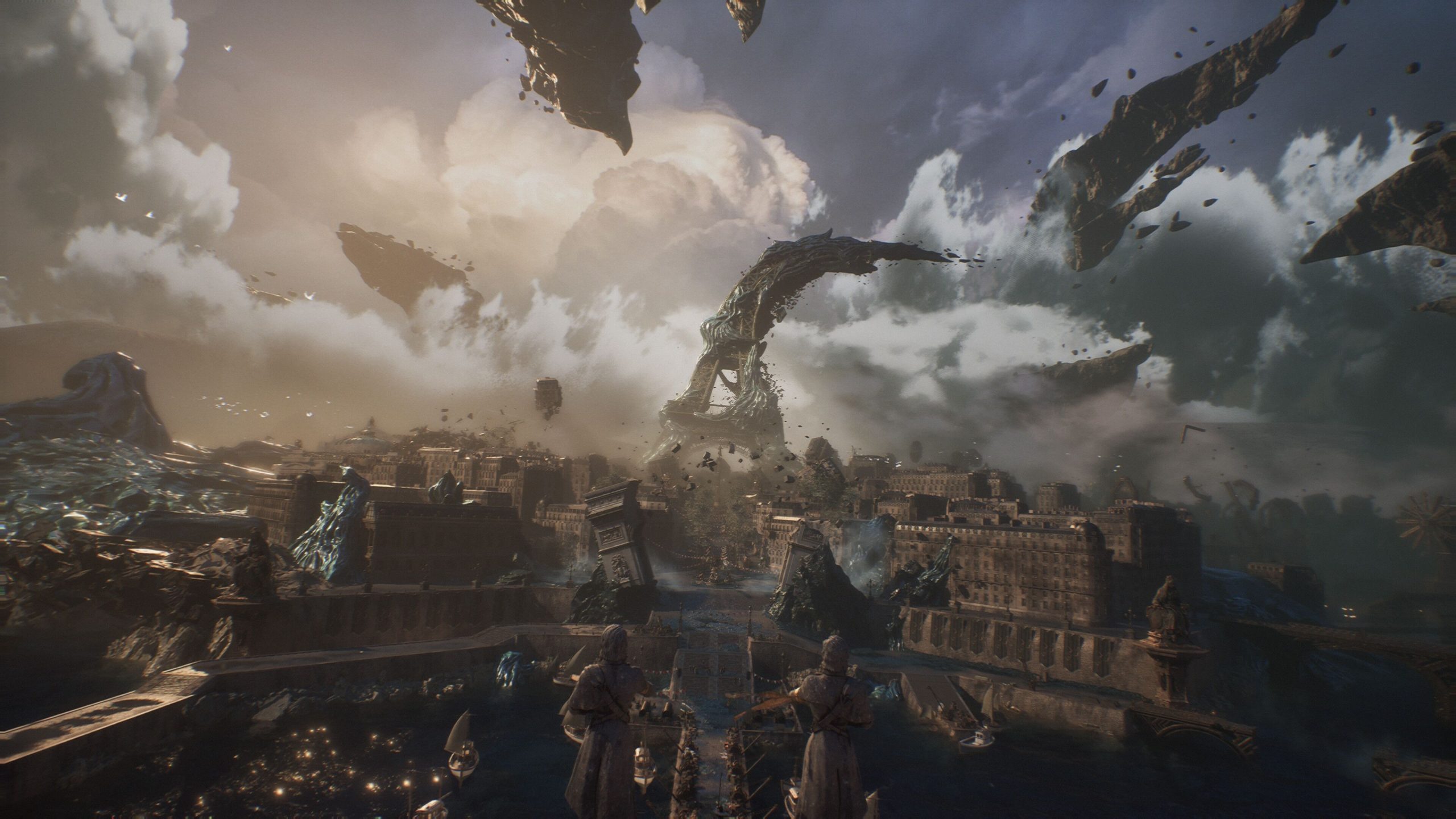
Clair Obscur: Expedition 33, developed by Sandfall Interactive, launched to widespread critical acclaim earlier this year, captivating players with its stunning art direction inspired by Belle Époque aesthetics and its innovative turn-based combat system. The game quickly became one of the most talked-about RPG releases, drawing comparisons to beloved classics while carving out its own unique identity. The announcement that this visually ambitious title would be coming to Switch 2 was met with both excitement and curiosity, as fans wondered how the portable console would handle such a graphically demanding experience.
Technical Expectations Meet Hardware Limitations
The reality of bringing Clair Obscur to Switch 2 has illuminated the ongoing conversation about Nintendo’s hardware philosophy. While the Switch 2 represents a significant leap forward from its predecessor, featuring improved processing capabilities and enhanced graphical output, it still operates within the constraints inherent to a portable gaming device. Early reports suggest that the Switch 2 version of Clair Obscur will require visual compromises compared to its PlayStation 5, Xbox Series X, and PC counterparts, including reduced resolution, scaled-back environmental details, and potentially lower frame rate targets.
This situation echoes Nintendo’s historical approach to console development. The company has consistently prioritized innovation in gameplay and accessibility over raw technical specifications, a philosophy that has yielded remarkable successes like the original Wii and the first Switch console. The original Switch, released in 2017, was notably underpowered compared to its contemporaries but achieved phenomenal commercial success by offering something competitors couldn’t: seamless transitions between home and portable gaming. The Switch 2 appears to continue this tradition, offering meaningful improvements while remaining several steps behind the cutting-edge performance of dedicated home consoles.
Developer Challenges and Industry Adaptation
For developers like Sandfall Interactive, bringing ambitious titles to Switch 2 presents both opportunities and challenges. The massive install base that Nintendo cultivated with the original Switch—over 140 million units sold worldwide—makes the platform impossible to ignore from a business perspective. However, the technical work required to optimize games for the hardware can be substantial. Studios must often rebuild assets, adjust rendering techniques, and implement platform-specific optimizations to deliver acceptable performance without sacrificing the core experience that made their games special in the first place.
Industry analysts note that this dynamic isn’t unique to Nintendo. The gaming landscape has always featured hardware of varying capabilities, from high-end gaming PCs to mobile devices. What makes the Switch 2’s position particularly interesting is its hybrid nature—players expect experiences that hold up both when docked to a television and when played in handheld mode. This dual requirement adds another layer of complexity to the optimization process, as developers must essentially target two different performance profiles within a single device.
What This Means for Nintendo’s Future
The Clair Obscur situation serves as a preview of what Switch 2 owners can expect as the console’s library grows. Third-party support was a significant weakness for Nintendo throughout much of its history, but the original Switch managed to attract major titles from publishers who had previously ignored Nintendo platforms. The Switch 2 will need to maintain this momentum while managing player expectations about visual fidelity and performance. For many Nintendo fans, the trade-offs are acceptable—the ability to play a game like Clair Obscur during a commute or while traveling holds value that raw graphics cannot replace.
As the gaming industry continues to evolve, Nintendo’s unique position in the market remains both its greatest strength and most persistent challenge. The company has proven time and again that compelling experiences can transcend technical limitations, but the gap between Nintendo hardware and its competitors has never been more pronounced. How players respond to titles like Clair Obscur on Switch 2 will help shape the platform’s trajectory and influence developer decisions for years to come.
Expert Opinion: The Switch 2’s handling of demanding titles like Clair Obscur will likely establish a template for third-party support throughout the console’s lifespan. Expect Nintendo to emphasize first-party exclusives optimized for the hardware while third-party ports continue to require visual compromises—a trade-off most portable gaming enthusiasts have historically been willing to accept in exchange for flexibility and Nintendo’s unique software ecosystem.