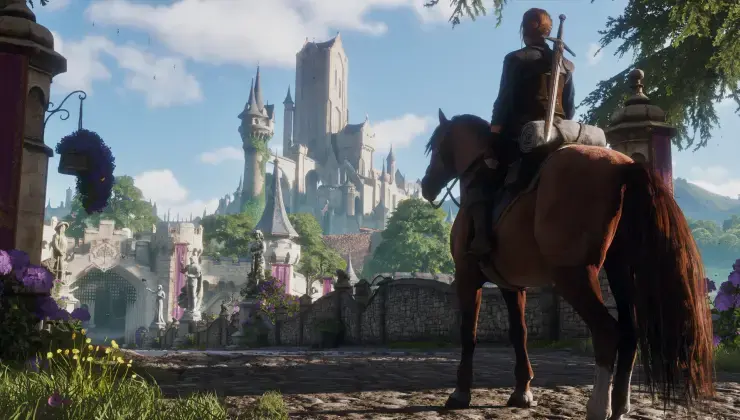
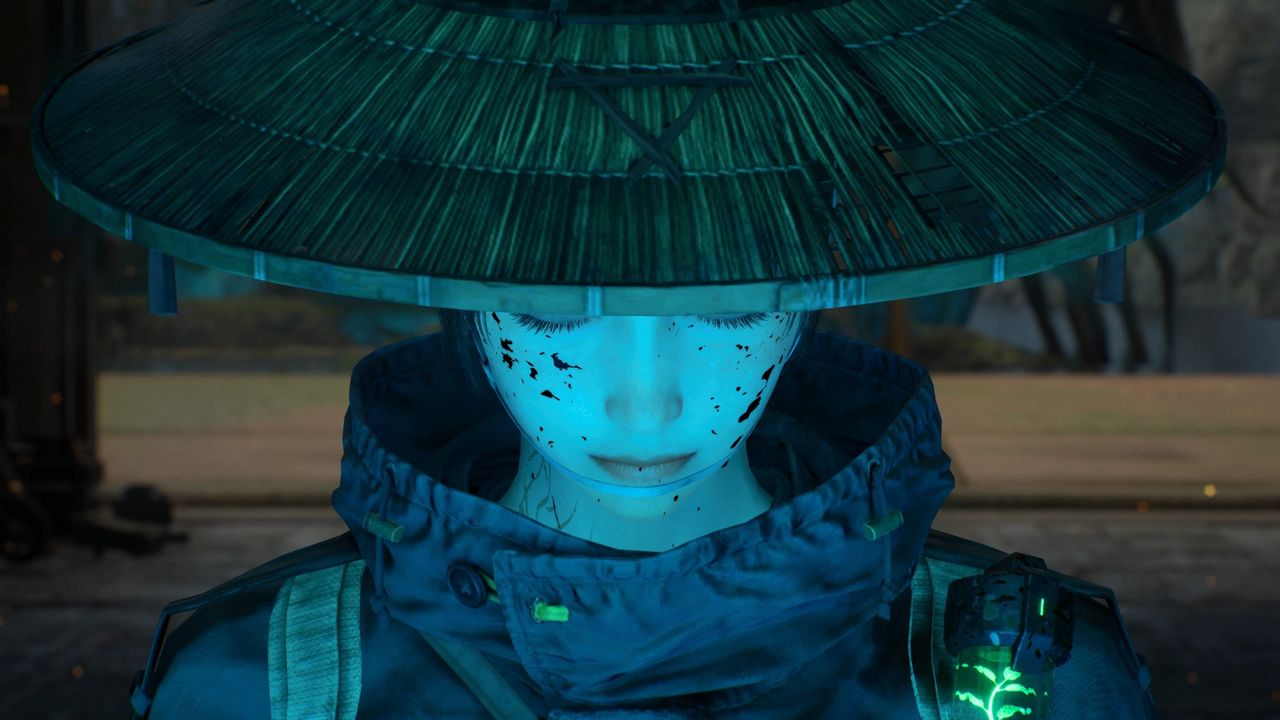
With a name like Beast of Reincarnation, players might anticipate a game filled with aggressive enemies and intense combat encounters. And while that expectation holds true, it doesn’t take long to discover that there are remarkable layers to this world and the characters who inhabit it. These layers transform what could have been a fun but shallow action game into a strong, deeply rewarding experience that lingers long after the credits roll. Game Freak, the studio best known for creating the globally beloved Pokémon franchise, has ventured far outside its comfort zone to deliver something entirely unexpected—a mature, challenging action RPG set in a hauntingly beautiful post-apocalyptic Japan.
Key Takeaways
- Game Freak’s most ambitious departure from Pokémon delivers a mature, challenging action RPG set in post-apocalyptic Japan with minimal puzzles and pure combat focus
- Protagonist Emma avoids genre clichés with practical armor and genuine character development that unfolds throughout the story, contrasting sharply with similar recent titles
- Combat centers on a demanding but fair parry system reminiscent of Sekiro, with rhythm-game timing that rewards mastery during spectacular boss encounters
- Koo, Emma’s mutated canine companion, adds tactical depth through the Bloom Arts system, which slows time for strategic ability selection similar to FF7 Remake
- Environmental traversal includes grappling, water spouts, and bridge creation, offering multiple approaches to encounters while maintaining the game’s linear structure
Players assume the role of Emma, a young woman tasked with an enormous burden: killing the titular Beast, the source of the Blight that has devastated Japan. This corruption mutates animals into terrifying creatures, spreads eerily beautiful but deadly foliage across the landscape, and claims countless human lives. Before Emma can confront the Beast directly, she must first eliminate numerous giant creatures known as Nushi, absorbing their power to strengthen herself while cleansing the surrounding areas. The path to each Nushi is littered with lesser enemies, ensuring that combat remains the primary focus throughout the experience. Remarkably, in an entire playthrough, only a single puzzle appears—a testament to the game’s unwavering commitment to its action-oriented design philosophy.
Emma Breaks the Mold as a Thoughtfully Written Protagonist
It’s important not to mistake Beast of Reincarnation, with its high-fidelity sci-fi aesthetic and sword-wielding, reserved heroine, for something akin to recent titles like Stellar Blade. Unlike that game’s protagonist Eve, who is uncomfortably thrust into danger wearing form-fitting bodysuits that leave nothing to the imagination, Emma is dressed like an actual fighter who takes her dangerous mission seriously. Her armor is practical, her demeanor professional, and her character development genuine. Emma’s initial aloofness isn’t a shallow character trait but rather a carefully constructed layer that gradually peels away as the story progresses, revealing specific reasons for her emotional distance. This thoughtful characterization elevates the narrative significantly, making players genuinely invested in Emma’s journey and eventual fate.
Game Freak’s decision to create such a dramatically different type of game represents a bold strategic move for the studio. Founded in 1989, Game Freak has spent over three decades primarily developing Pokémon titles, with only occasional forays into other projects like HarmoKnight and Little Town Hero. Beast of Reincarnation marks their most ambitious departure yet, demonstrating that the studio possesses creative capabilities far beyond what their flagship franchise might suggest. The confidence displayed in every aspect of this game—from its challenging combat to its philosophical undertones—suggests a development team that was genuinely passionate about creating something new and meaningful.
Parry-Driven Combat Rewards Patience and Precision
Beast of Reincarnation features combat that proves challenging from the very first encounters. Many players will feel tempted to lower the difficulty within the opening hour, and doing so remains a perfectly valid way to enjoy the experience. However, those who persevere through the initial learning curve will discover a profound sense of satisfaction in emerging from tough battles battered, low on resources, and close to death—but alive. The combat system appears deceptively simple at first glance. Emma carries a sword and eventually two bows, with only a single attack button for melee combat. The depth emerges from the intricate mechanics surrounding these basic tools, particularly the parry system that serves as the game’s combat cornerstone.
While the gaming industry’s recent obsession with parry mechanics has grown somewhat tiresome, Beast of Reincarnation implements this system with remarkable elegance. The parrying feels akin to a rhythm game, reminiscent of Sekiro: Shadows Die Twice with touches of Nier’s fluid combat style. Players learn to parry according to each enemy’s unique attack pattern—tap-tap-taptaptap—tap—tap—and then unleash devastating counterattacks. The timing is demanding but fair, punishing mistimed inputs with significant health loss while rewarding perfect execution with a beautiful combat flow, particularly evident during the spectacular boss encounters.
Koo, Emma’s giant mutated canine companion, adds another crucial dimension to combat. While players can command him to engage enemies independently when approaching undetected, he otherwise attacks autonomously alongside Emma. Players control his development through attribute upgrades, ability selections, and stat-altering charms. The Bloom Arts system provides the most strategic depth, with powerful abilities dependent on points earned during battle and activated only on command. Similar to Final Fantasy VII Remake’s tactical mode, communicating with Koo slows time dramatically, allowing players to strategize and select from equipped abilities. Successfully executed Bloom Arts restore a portion of Emma’s HP while dealing damage and triggering various beneficial effects, especially once players unlock modifications.
Post-Apocalyptic Japan Balances Brutality with Quiet Moments
Between intense combat encounters, Emma and Koo retreat to their base of operations—a mech they share with several other characters. This space serves as a wonderful oasis of calm within the relentlessly hostile world, offering optional conversations that flesh out the game’s lore and characters. The game encourages ritualistic engagement with this space: chatting with the young character Kagura, showering away accumulated blood and grime (with Koo delightfully shaking himself off like a real dog afterward), and yes—players can indeed pet the dog. These quiet moments provide essential breathing room and emotional grounding that makes the dangerous expeditions feel more meaningful.
The environmental design deserves particular praise. While Beast of Reincarnation follows a linear structure—areas are large and open but not strictly open world—Emma’s traversal abilities create wonderful opportunities for exploration and tactical engagement. She can use her hair as a grappling hook (the game wisely doesn’t over-explain this ability), summon a portable water spout to rise into the air, and create temporary bridges from nearly any position. These movement options provide genuine agency, allowing players to approach enemy encounters from multiple angles while maintaining stealth. Combined with a wide range of unlockable Arts and swords with unique effects, these systems help make each player’s journey feel distinctively their own.
Philosophical Themes Elevate the Narrative Beyond Genre Conventions
The broad strokes of Beast of Reincarnation initially suggest a game leaning heavily on familiar tropes: a post-apocalyptic world, a threat known as The Blight, a singular hero who alone can restore balance. However, these surface-level elements serve as a foundation for something much more profound. The game surfs on waves of philosophy and existential questions that prove thought-provoking without ever feeling heavy-handed or pretentious. The narrative trusts players to engage with its themes at their own pace and depth, never pausing to lecture or explain its deeper meanings.
The ending deserves special mention as perhaps the finest conclusion seen in a video game in recent memory. Without spoiling specifics, it represents a beautiful culmination of Emma’s story that strikes a perfect balance between closure and ambiguity. The developers demonstrate remarkable trust in their audience, leaving just enough open to interpretation to spark discussion and contemplation. New Game Plus offers additional incentive to revisit the experience, providing one final sword and several powerful new abilities that might encourage even satisfied players to begin the journey anew.
Despite its many strengths, Beast of Reincarnation isn’t quite perfect. Occasionally, the path forward becomes unclear despite the waypoint system, with seemingly impassable platforming sections blocking progress. More frustratingly, certain combat situations feel genuinely unfair rather than challenging. When facing multiple enemies at close quarters, the camera and auto-targeting systems can conspire against players, making it impossible to keep all threats in view. Parrying attacks that literally cannot be seen proves understandably difficult, leading to moments of genuine frustration. However, these issues remain rare enough to forgive within the context of an otherwise exceptional experience.
Game Freak Steps Confidently Outside Its Comfort Zone
Beast of Reincarnation represents a significant statement from a studio that has spent over three decades almost exclusively developing Pokémon games. This isn’t a tentative side project like HarmoKnight or Little Town Hero—it’s a full-scale action RPG that competes directly with established franchises in the character-action space. The confidence displayed here suggests internal creative ambitions that the Pokémon formula simply couldn’t accommodate.
The game’s treatment of its female protagonist deserves attention in the current landscape. Where games like Stellar Blade drew criticism for prioritizing aesthetics over characterization, Beast of Reincarnation presents Emma as a professional combatant whose emotional depth emerges naturally through story progression. This approach may influence how other studios handle similar characters going forward.
For players, the key consideration is difficulty tolerance. The combat system’s reliance on precise parry timing will frustrate those seeking a casual experience, though accessibility options exist. Those who invest in mastering the mechanics will find a deeply satisfying rhythm-based combat loop that distinguishes itself from the crowded Soulslike field through its unique timing demands and companion integration.
Common Questions About Beast of Reincarnation
How difficult is Beast of Reincarnation compared to Sekiro?
The parry-focused combat shares Sekiro’s demanding timing requirements, but Beast of Reincarnation includes difficulty options for players who find the default challenge too punishing. The learning curve is steep in the opening hour, though perseverance rewards players with satisfying combat flow.
Can you pet the dog in Beast of Reincarnation?
Yes. Koo, Emma’s giant mutated canine companion, can be petted at the base of operations. The mech hub also features other quiet interactions including conversations with NPCs and a shower mechanic where Koo authentically shakes himself dry afterward.
Is Beast of Reincarnation open world?
No, the game follows a linear structure with large, open areas rather than a true open world. Emma’s traversal abilities—including hair-based grappling, water spouts, and bridge creation—provide exploration freedom and multiple tactical approaches within each zone.
Expert Opinion: Beast of Reincarnation represents a watershed moment for Game Freak, proving that the studio can deliver compelling experiences far removed from Pokémon’s familiar formula. This successful venture into mature action RPG territory could signal a new creative direction for the developer, potentially inspiring more ambitious projects that leverage their obvious storytelling and design talents. For players seeking challenging combat wrapped in thoughtful narrative packaging, this title stands as one of 2026’s essential purchases.