
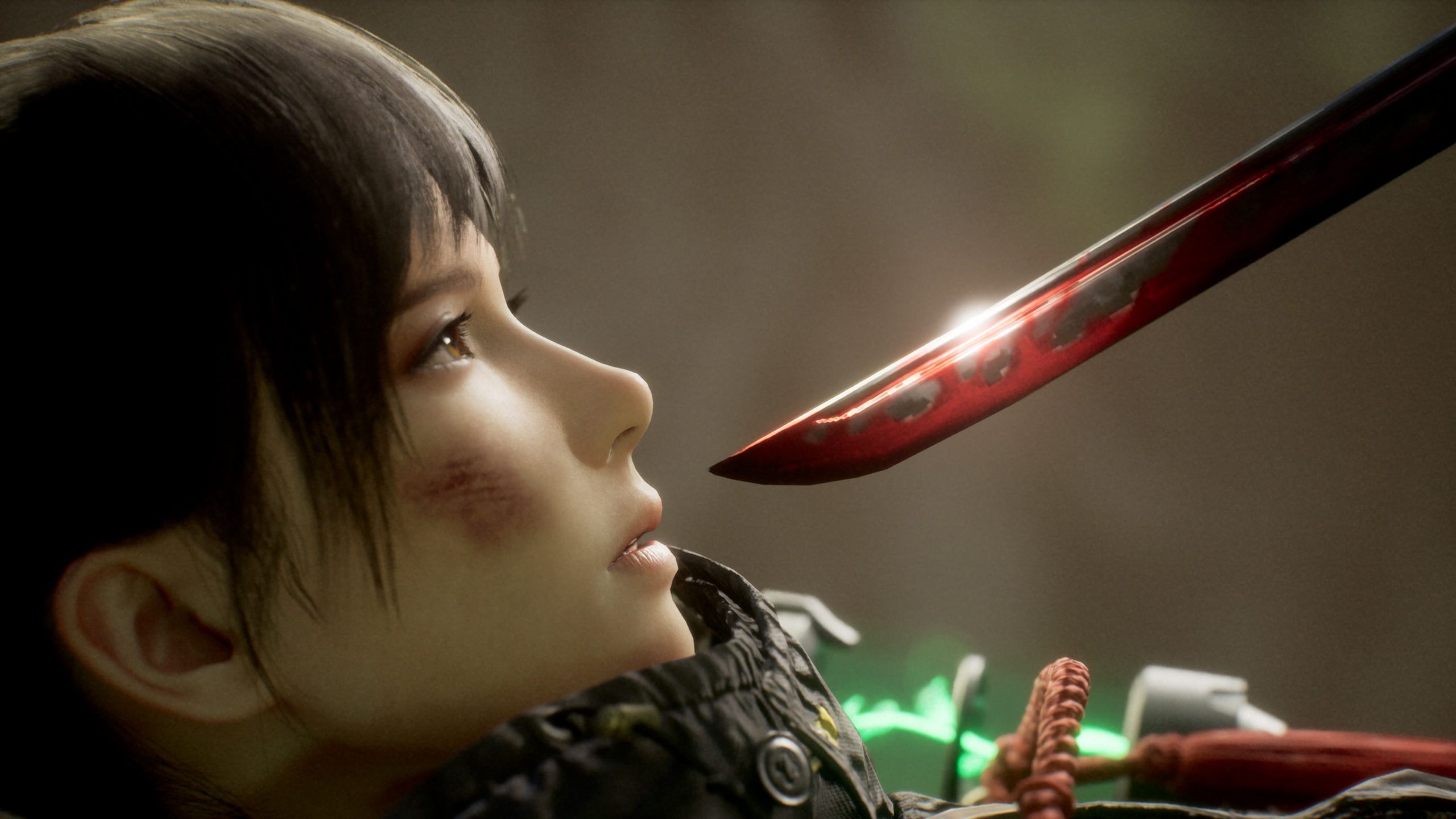
The combat system in Beast of Reincarnation presents an initially overwhelming array of mechanics that can intimidate even seasoned action RPG veterans. With its intricate web of interconnected systems including the entanglement bar, florescence points, bloom arts, and blade arts, newcomers might find themselves struggling to understand how all these elements work together. However, once players take the time to understand each component and how they synergize, the combat transforms from a confusing mess into an elegant dance of destruction. The key to unlocking the full potential of this system lies in one fundamental skill that serves as the foundation for everything else: parrying.
Understanding the importance of parrying cannot be overstated in Beast of Reincarnation. Unlike many action games where parrying serves as merely one defensive option among many, this title places the mechanic at the very center of its combat philosophy. Every successful parry opens up opportunities for devastating counterattacks, builds up crucial meters, and creates windows for executing powerful special moves. Players who neglect this skill will find themselves constantly on the defensive, unable to access the game’s most satisfying combat options. The timing window is generous enough for beginners to learn but tight enough to reward mastery, creating a satisfying skill curve that keeps players engaged throughout their journey.
Understanding the Entanglement Bar System
The entanglement bar represents one of the most unique mechanics in Beast of Reincarnation’s combat arsenal. This meter builds as players engage enemies in close combat, particularly through successful parries and aggressive attacks. When filled, the entanglement bar allows players to enter a heightened state of combat awareness, slowing enemy movements and revealing weak points that can be exploited for massive damage. The system draws inspiration from similar mechanics in games like Sekiro: Shadows Die Twice and Nioh, but adds its own twist by tying the meter directly to the game’s thematic elements of spiritual connection and reincarnation. Managing this bar effectively becomes crucial in boss encounters, where knowing when to build it and when to spend it can mean the difference between victory and defeat.
The relationship between the entanglement bar and parrying creates a compelling risk-reward dynamic that defines high-level play. Aggressive players who successfully chain parries can fill their entanglement bar rapidly, gaining access to powerful abilities sooner. However, failed parry attempts not only leave players vulnerable to damage but also cause the meter to drain, punishing overconfidence and encouraging thoughtful engagement. This design philosophy ensures that combat remains tense and engaging throughout, as players must constantly evaluate whether to press their advantage or play more conservatively.
Florescence Points and the Bloom Arts System
Florescence points serve as the resource currency for Beast of Reincarnation’s most spectacular abilities: the bloom arts. These points accumulate through combat actions, with parries again playing a central role in their generation. Each successful defensive maneuver rewards players with florescence points that can be spent on powerful bloom arts, which range from devastating area-of-effect attacks to defensive barriers and healing abilities. The botanical theming of these systems ties beautifully into the game’s aesthetic, with visual effects featuring petals, vines, and flowering energy that make every special move feel impactful and visually stunning. Players can customize their bloom art loadouts to match their playstyle, creating builds focused on aggression, defense, or utility.
Blade arts complement bloom arts by providing more immediate, martial-focused special attacks. While bloom arts tend toward the spectacular and magical, blade arts emphasize technical swordsmanship with enhanced versions of basic attacks. These abilities consume a separate resource tied to a stamina-like system, allowing players to weave them into regular combat more freely than the more precious bloom arts. The interplay between these two systems encourages players to think tactically about resource management, saving powerful bloom arts for critical moments while using blade arts to maintain pressure and control the battlefield during regular encounters.
Bringing It All Together
Mastering Beast of Reincarnation’s combat requires understanding how all these systems interconnect and support each other. A typical high-level encounter might see a player parrying an enemy’s opening attack, building entanglement while generating florescence points. As the entanglement bar fills, they execute blade arts to maintain offensive pressure, then enter the heightened state to identify weak points. Finally, they spend accumulated florescence points on a devastating bloom art, dealing massive damage during the vulnerability window. This flow state, where all systems work in harmony, represents the pinnacle of the game’s combat design and rewards players who invest time in understanding its depths.
Expert Opinion: Beast of Reincarnation represents a significant evolution in action RPG combat design, building upon the foundations laid by FromSoftware’s recent titles while carving out its own identity through the unique florescence and bloom systems. Players who commit to mastering the parry mechanic will find themselves rewarded with one of the most satisfying and mechanically deep combat experiences in recent memory, though the steep learning curve may alienate casual players seeking a more accessible experience.