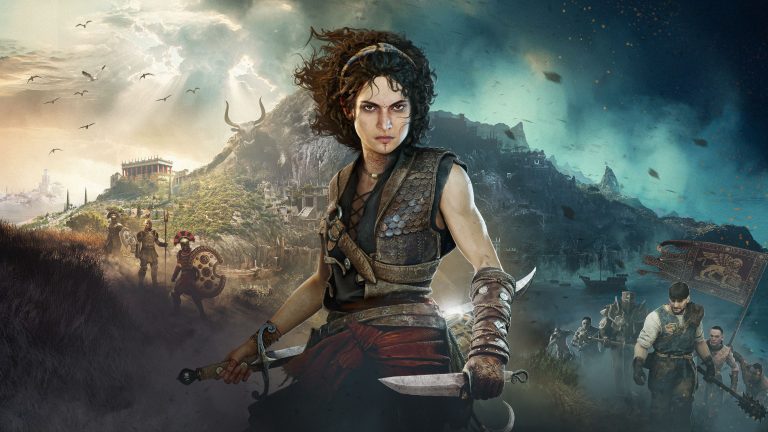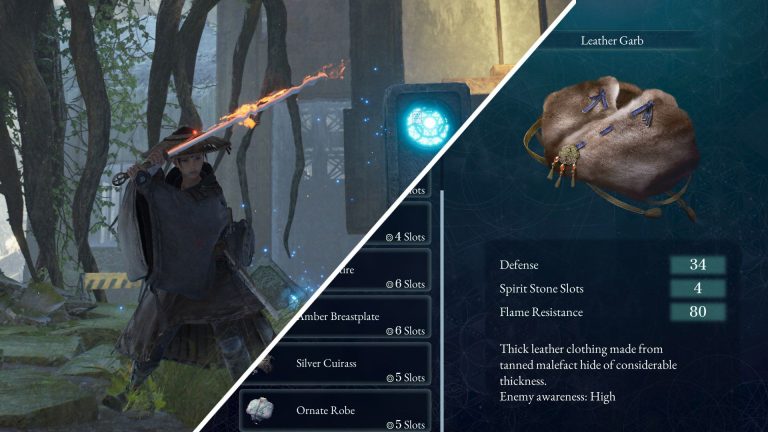

In a surprising turn of events that has sent ripples through the gaming industry, Amazon Games Studios has announced its complete withdrawal from the massively multiplayer online role-playing game market. The tech giant’s gaming division, once heralded as a potential revolutionary force in the MMORPG space, is stepping away from a genre it had invested billions of dollars into over the past several years. This decision marks the end of an era for a publisher that brought titles like Lost Ark, New World, and Throne and Liberty to Western audiences, while also developing an ambitious Lord of the Rings MMORPG that will now never see the light of day.
Amazon’s entry into the gaming market began with enormous expectations and seemingly unlimited resources. The company launched Amazon Game Studios in 2014, backed by the financial might of one of the world’s largest corporations. Industry analysts predicted that Amazon’s deep pockets and technological infrastructure, particularly its Amazon Web Services cloud computing platform, would give it a significant competitive advantage in the online gaming space. However, the path to success proved far more treacherous than anticipated, with multiple high-profile cancellations and disappointing launches plaguing the division throughout its existence.
The Rise and Struggles of Amazon’s Gaming Ambitions
Lost Ark, developed by South Korean studio Smilegate, became Amazon Games’ first major publishing success when it launched in Western markets in February 2022. The action-focused MMORPG attracted over 20 million players in its first month, briefly becoming one of the most-played games on Steam. However, the initial enthusiasm gradually waned as players encountered aggressive monetization systems and repetitive endgame content. Despite regular updates and events, Lost Ark’s player base declined significantly, reflecting the broader challenges facing subscription-free MMORPGs in maintaining long-term engagement.
New World, Amazon’s original MMORPG set in a supernatural version of colonial America, represented the company’s most ambitious in-house development effort. Launching in September 2021, the game initially attracted nearly one million concurrent players, making it one of the biggest MMORPG launches in recent memory. Unfortunately, severe technical issues, exploits, and a lack of endgame content caused a dramatic exodus of players. Within months, the game’s population had dropped by over 90 percent, forcing Amazon to implement desperate measures including server merges and a complete combat system overhaul in subsequent updates.
Throne and Liberty and the Lord of the Rings Project
Amazon’s partnership with NCSoft to bring Throne and Liberty to Western audiences represented another attempt to capture the MMORPG market. Originally developed as a successor to the legendary Lineage franchise, Throne and Liberty launched globally in late 2024 with Amazon handling publishing duties outside of Korea. The game featured innovative mechanics including weather-based gameplay systems and seamless open-world design. However, reception was mixed, with critics and players pointing to familiar free-to-play monetization concerns and a lack of distinguishing features in an increasingly crowded market.
Perhaps the most disappointing casualty of Amazon’s exit is the cancellation of its Lord of the Rings MMORPG project. Announced in 2019 as a collaboration with Leyou Technologies, the game was intended to be a massive undertaking exploring the rich mythology of J.R.R. Tolkien’s Middle-earth. The project faced numerous setbacks, including Tencent’s acquisition of Leyou in 2020, which complicated development agreements. Amazon had reportedly invested years of development work and significant resources into creating what was described as an ambitious open-world experience set before the events of the famous trilogy.
Industry Implications and Future Outlook
Amazon’s departure from the MMORPG market reflects broader industry trends affecting the genre. Traditional subscription-based and free-to-play MMORPGs have struggled to compete with live-service games, battle royales, and other multiplayer formats that demand less time commitment from players. The massive development costs associated with creating compelling MMORPG experiences, combined with the difficulty of sustaining player populations over time, have made the genre increasingly risky for publishers. Industry veterans note that only a handful of titles, including World of Warcraft, Final Fantasy XIV, and Elder Scrolls Online, have managed to maintain healthy player bases over extended periods.
The gaming community has reacted to Amazon’s exit with a mixture of disappointment and resignation. Many players who invested significant time and money into Amazon’s published titles now face uncertain futures for their favorite games. Questions remain about the ongoing support for Lost Ark, New World, and Throne and Liberty, though Amazon has not yet detailed transition plans or potential shutdowns. This development serves as a stark reminder that even corporations with virtually unlimited resources cannot guarantee success in the highly competitive and demanding MMORPG market.
Expert Opinion: Amazon’s withdrawal from the MMORPG space signals a critical inflection point for the genre, demonstrating that financial resources alone cannot overcome the fundamental challenges of player retention and monetization balance in modern online games. This exit will likely discourage other major tech companies from entering the MMORPG market, potentially consolidating the genre around established titles while independent developers explore more niche, community-focused approaches to massively multiplayer experiences.