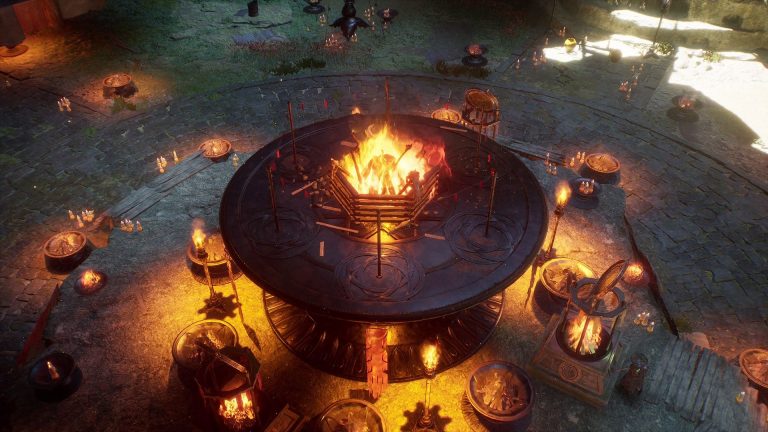

Four years after the critically acclaimed A Plague Tale: Requiem captivated audiences with its emotionally devastating narrative, Asobo Studio and Focus Entertainment have returned to their beloved franchise with Resonance: A Plague Tale Legacy. This latest installment in the narrative action-adventure series takes players back to the dark and atmospheric world of medieval France, where plague, mystery, and supernatural forces intertwine in ways that continue to define this unique gaming experience. While set within the same universe as previous entries, Resonance works remarkably well as a standalone experience, making it accessible to newcomers while offering longtime fans a deeper exploration of characters they’ve come to know and love.
The game centers on Sophia during her younger years, a character who played a significant supporting role in previous installments. This origin story approach allows Asobo Studio to expand the lore of their universe while delivering a fresh perspective on the horrors that have defined the series. Players will experience Sophia’s formative encounters with the supernatural plague that has terrorized this fictional version of 14th-century Europe, witnessing the events that shaped her into the resourceful and determined character fans remember from earlier games.
A Franchise Built on Emotional Storytelling
The A Plague Tale series first emerged in 2019 with A Plague Tale: Innocence, which surprised the gaming industry with its compelling blend of stealth gameplay, puzzle-solving, and emotionally charged storytelling. The original game followed siblings Amicia and Hugo de Rune as they navigated the horrors of the Black Death and the supernatural swarms of rats that accompanied it. Critics praised the game for its stunning visuals, atmospheric world-building, and the tender relationship between its protagonists. The sequel, A Plague Tale: Requiem, released in 2022, expanded on these foundations with larger environments, refined mechanics, and an even more ambitious narrative that pushed the boundaries of what players expected from the series.
Asobo Studio, based in Bordeaux, France, has established itself as a master of atmospheric game design through this franchise. The developer’s ability to create tension through environmental storytelling, combined with their technical prowess in rendering thousands of swarming rats on screen simultaneously, has become a signature element that distinguishes A Plague Tale from other narrative-driven games. With Resonance, the studio continues to refine these elements while exploring new creative directions that honor the series’ legacy.
Gameplay Evolution and New Mechanics
Resonance: A Plague Tale Legacy builds upon the established gameplay foundations while introducing new mechanics that reflect Sophia’s unique abilities and perspective. The series has always emphasized stealth and resource management over direct combat, encouraging players to use their wits and the environment to overcome obstacles. This philosophy remains central to Resonance, with players utilizing light sources to ward off the ever-present rat swarms while avoiding detection from human enemies. The game reportedly introduces new alchemical tools and puzzle-solving elements that take advantage of Sophia’s background and skills, offering fresh challenges for veteran players while maintaining accessibility for newcomers.
The technical achievements of the series continue to impress in this latest installment. Asobo Studio has pushed their proprietary engine further, delivering even more detailed environments and more dynamic rat behavior that creates genuinely unsettling gameplay moments. The audio design, which has always been a highlight of the franchise, reaches new heights with an atmospheric soundscape that amplifies the tension and emotional weight of key story moments. Players who experienced the previous games will find familiar elements elevated by years of technical refinement and artistic growth.
The Legacy Continues
As a standalone experience that simultaneously enriches the existing narrative universe, Resonance: A Plague Tale Legacy represents an interesting approach to franchise expansion. By focusing on a younger Sophia, Asobo Studio can tell a complete story without requiring players to have experienced previous entries, while still rewarding longtime fans with connections and references that deepen their understanding of the overall mythology. This balance between accessibility and fan service demonstrates the studio’s thoughtful approach to world-building and their commitment to welcoming new players into their dark, fascinating universe.
Expert Opinion: Resonance represents a strategic evolution for the A Plague Tale franchise, demonstrating how established series can expand their narratives without alienating newcomers or exhausting core storylines. By exploring side characters through standalone experiences, Asobo Studio positions themselves to sustain the franchise long-term while maintaining the intimate, character-driven storytelling that made the series successful. This approach may well become a model for other narrative-focused developers seeking to build enduring game universes.