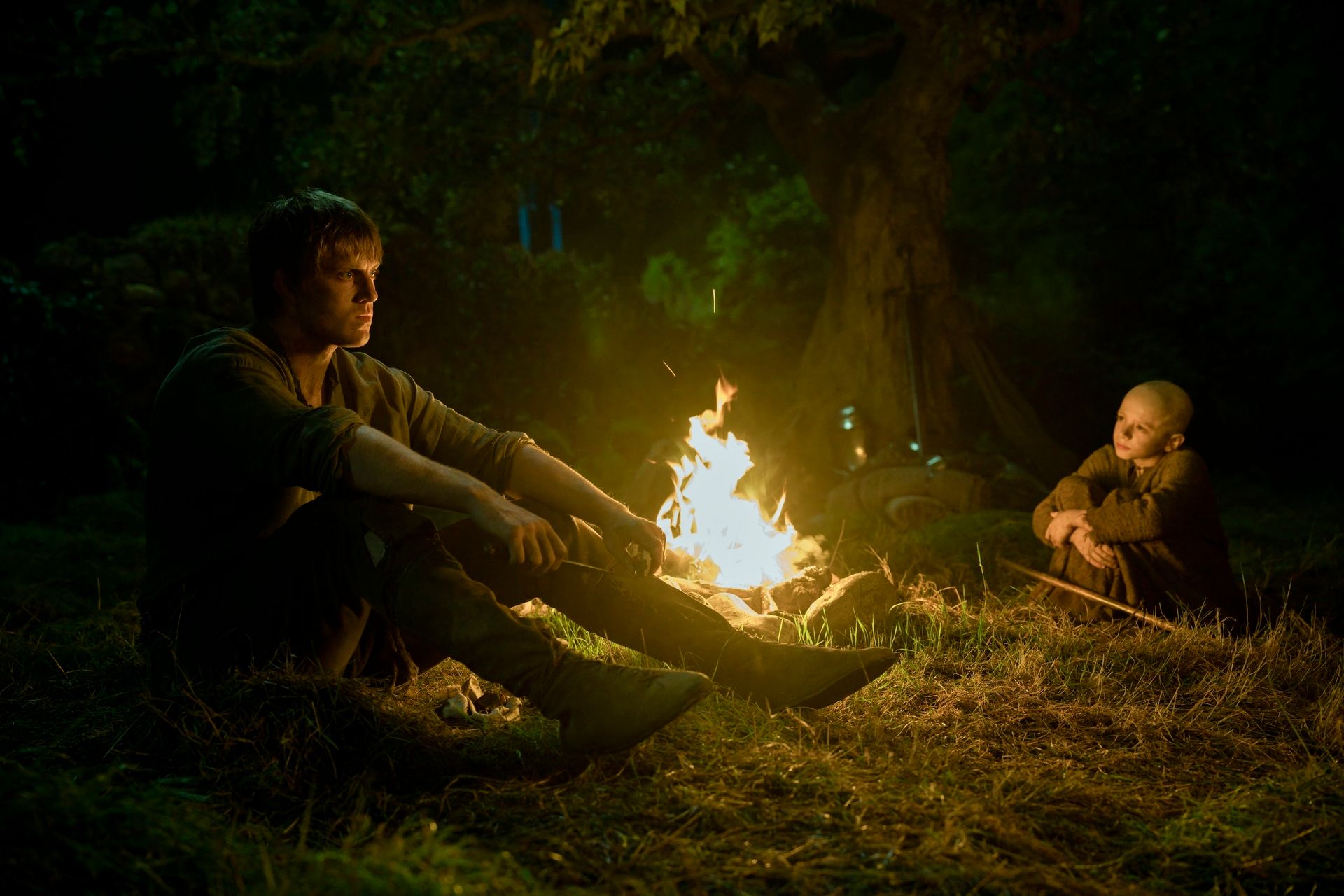
The world of Westeros has returned to television screens with the conclusion of House of the Dragon’s third season, delivering another spectacular battle sequence that has become synonymous with HBO’s flagship fantasy franchise. Seven months after the deliberately intimate first season of A Knight of the Seven Kingdoms concluded, viewers were once again treated to the epic scale and grandeur that has defined the Game of Thrones universe. With one more massive, action-heavy season confirmed for 2028, HBO appears to have learned crucial lessons from past production controversies, particularly regarding the visual presentation of its most ambitious sequences.
The Infamous ‘Long Night’ Controversy
Industry insiders suggest that HBO has implemented new production standards to ensure that Game of Thrones-related content will never again suffer from the visibility issues that plagued the original series. The most notorious example came during the final season of Game of Thrones in 2019, when the highly anticipated episode “The Long Night” drew widespread criticism for being virtually unwatchable due to its extremely dark cinematography. Millions of viewers took to social media to complain that they could barely distinguish what was happening during the Battle of Winterfell, one of the most significant events in the entire series. The episode, which reportedly took 55 consecutive nights to film and featured one of television’s largest battle sequences ever produced, was nearly ruined for home viewers who struggled to see the action through murky, underlit scenes.
Cinematographer Fabian Wagner defended the artistic choices at the time, suggesting that viewers should adjust their television settings and watch in completely dark rooms. However, the backlash was severe enough to make headlines worldwide and became a cautionary tale within the industry about balancing artistic vision with practical viewing considerations. The controversy highlighted the significant differences between how content appears in professional color-grading suites versus average home televisions with varying brightness settings and ambient lighting conditions.
New Standards for Visual Clarity
According to sources familiar with HBO’s current production approach, the network has established clearer guidelines for maintaining visual clarity in dark scenes while still achieving dramatic atmospheric effects. This shift represents a significant acknowledgment that streaming and home viewing conditions differ vastly from theatrical presentations or professional screening rooms. House of the Dragon’s production team has reportedly been particularly attentive to these concerns, ensuring that even the most dimly lit sequences remain visually comprehensible across various display types and viewing environments. The third season’s climactic battle demonstrated this refined approach, delivering intense, atmospheric warfare that remained visible and engaging throughout.
The evolution in HBO’s approach also reflects broader industry trends toward prioritizing accessibility and viewer experience. As streaming becomes the dominant consumption method for premium television content, networks have increasingly recognized that technical presentation choices made in post-production suites must account for the reality of how most audiences actually watch. This includes considerations for mobile viewing, various television technologies, and imperfect home lighting conditions that professional reviewers and filmmakers rarely experience during the production process.
The Future of Westeros
With the confirmation of House of the Dragon’s fourth and reportedly final season scheduled for 2028, HBO continues to demonstrate its commitment to the Game of Thrones franchise as a cornerstone property. The network has invested heavily in expanding the universe, with A Knight of the Seven Kingdoms exploring different eras and tones within the same world. This diversification strategy allows HBO to appeal to different audience segments while maintaining the brand recognition that made Game of Thrones one of the most successful television series in history. The original series, which ran from 2011 to 2019, fundamentally changed prestige television and demonstrated that fantasy content could achieve mainstream critical and commercial success at the highest levels.
The lessons learned from past controversies, including the lighting debacle and the divisive final season, appear to have informed HBO’s more careful approach to managing the franchise’s legacy. By ensuring that production quality extends beyond creative vision to include practical viewing considerations, the network seems determined to avoid the kind of technical distractions that can undermine otherwise exceptional storytelling. As Westeros continues to expand on screen, viewers can apparently expect both epic scale and the ability to actually see what’s happening.
Expert Opinion: The shift in HBO’s production philosophy reflects a maturing understanding of streaming-era television production, where artistic vision must coexist with technological accessibility. This approach will likely become industry standard as networks recognize that viewer frustration over technical issues can permanently damage a show’s reputation regardless of its narrative quality. The 2028 finale of House of the Dragon will serve as a crucial test of whether HBO has truly mastered this balance.