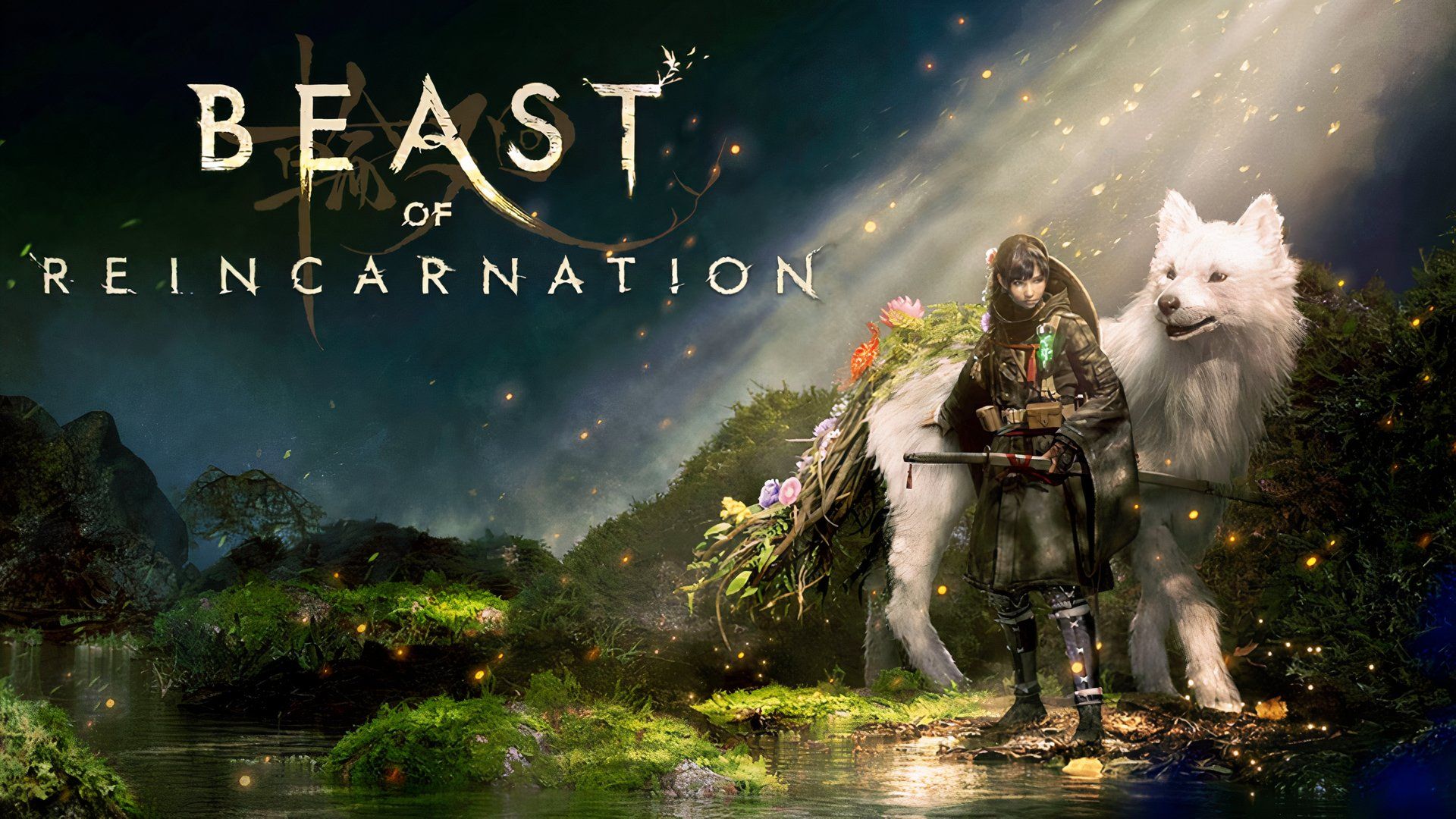
Beast of Reincarnation marks a significant departure for Game Freak, the legendary Japanese studio best known for creating and developing the phenomenally successful Pokémon franchise. This new title ventures into the challenging territory of Soulslike action RPGs, a genre popularized by FromSoftware’s groundbreaking Dark Souls series. The ambitious pivot raises an important question for gamers and industry observers alike: can a studio so deeply associated with turn-based creature collection successfully transition into the demanding world of real-time combat, punishing difficulty, and intricate level design? After spending considerable time with the game, we can provide a comprehensive answer that examines both its achievements and shortcomings.
Game Freak’s decision to explore new genres isn’t entirely unprecedented, though it remains relatively rare. The studio has occasionally stepped outside its Pokémon comfort zone with titles like Little Town Hero in 2019 and the rhythm game HarmoKnight in 2012. However, Beast of Reincarnation represents their most ambitious non-Pokémon project to date, requiring mastery of gameplay systems and design philosophies that differ dramatically from anything in their portfolio. The Soulslike genre has become increasingly crowded since Dark Souls revolutionized action RPGs in 2011, with notable entries like Nioh, Lies of P, Lords of the Fallen, and countless others vying for player attention.
Gameplay Mechanics and Combat System
The core combat in Beast of Reincarnation demonstrates that Game Freak did their homework when studying the genre’s fundamentals. The weighty, deliberate combat that defines Soulslike games is present and accounted for, with responsive controls that make each swing, dodge, and parry feel intentional. Players will find familiar systems including stamina management, carefully timed dodges with invincibility frames, and the strategic decision-making between aggressive offense and patient defense. The animation work is particularly noteworthy, with fluid transitions between attacks that provide clear visual feedback for both player actions and enemy tells. However, veterans of the genre may notice that while these mechanics are competently executed, they don’t introduce anything particularly revolutionary to the formula established by FromSoftware over a decade ago.
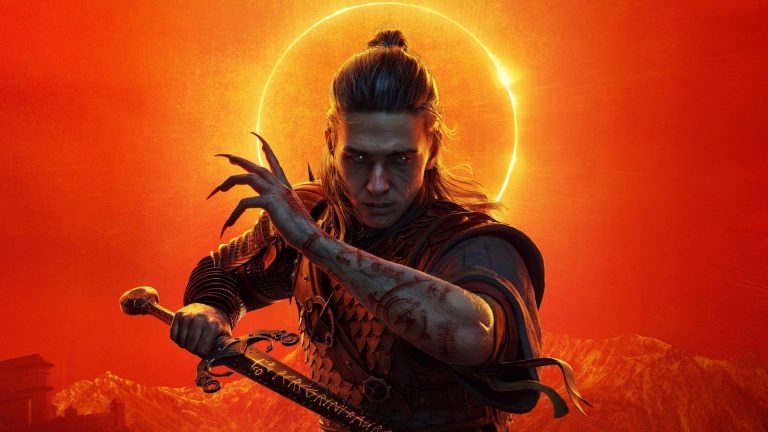
The game’s titular reincarnation mechanic attempts to add a unique twist to the established formula. Upon death, players can return as different beast forms, each offering distinct combat styles and abilities. This system shows glimpses of creativity and provides some variety to gameplay, but it never fully capitalizes on its potential. The different forms, while visually interesting, often feel like variations on a theme rather than fundamentally different approaches to combat. This is where Game Freak’s inexperience with the genre becomes most apparent—the studio seems to have prioritized nailing the basics over innovating upon them, resulting in a technically sound but somewhat safe final product.
Visual Design and World Building
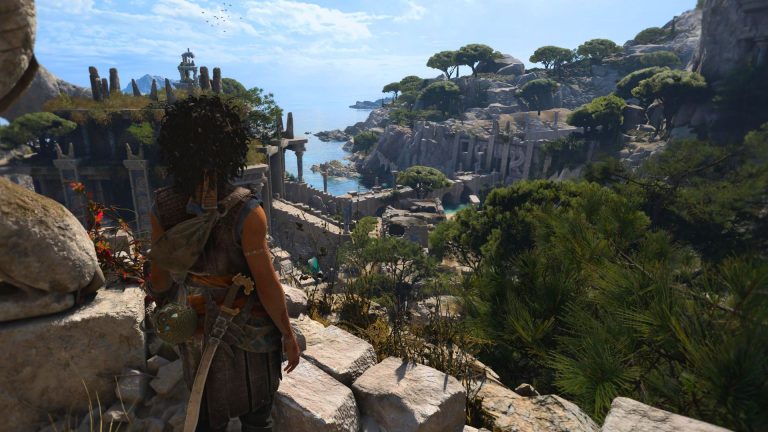
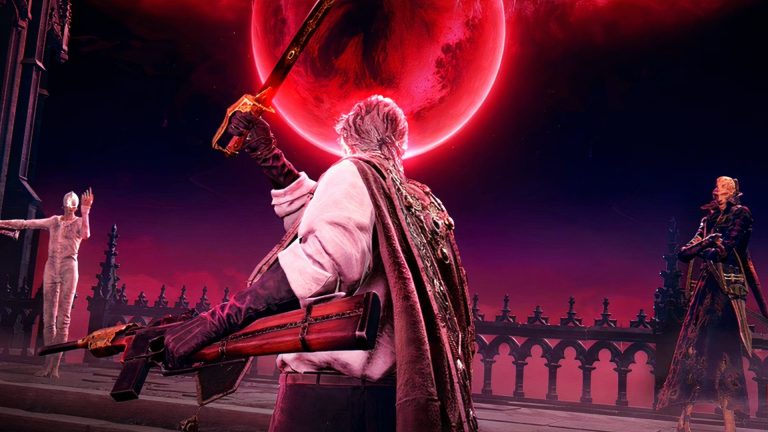
Visually, Beast of Reincarnation presents a polished aesthetic that benefits from Game Freak’s considerable experience in creating memorable creature designs and fantastical worlds. The environments range from crumbling gothic architecture to twisted organic landscapes, all rendered with impressive attention to detail. The beast designs, unsurprisingly, represent the game’s artistic highlight—Game Freak’s decades of experience creating hundreds of Pokémon clearly translated well to designing monstrous enemies and transformations. The art direction successfully evokes the dark fantasy atmosphere essential to the genre while maintaining a slightly more colorful palette than typical Soulslike entries. Performance is generally stable across supported platforms, though some players have reported occasional frame drops in more visually dense areas.
The narrative follows genre conventions closely, presenting its story through cryptic item descriptions, environmental storytelling, and sparse but impactful dialogue. The lore surrounding the reincarnation cycle and the various beast forms holds genuine intrigue, though the overall plot structure will feel familiar to anyone who has played similar titles. World-building elements hint at a deeper mythology that rewards attentive players who piece together fragments of information scattered throughout the game. Unfortunately, the story never quite reaches the memorable heights of genre classics, serving more as adequate backdrop than compelling narrative driver.
Final Verdict and Recommendations
Beast of Reincarnation ultimately represents a competent first step into unfamiliar territory for Game Freak. The studio has successfully demonstrated that they can execute the fundamental requirements of a Soulslike ARPG—no small feat for a team working outside their established expertise. The combat is satisfying, the visuals are appealing, and the technical performance meets modern standards. However, in a market saturated with Soulslike experiences ranging from excellent to exceptional, competence alone may not be sufficient to stand out. The game’s unwillingness to take significant risks or meaningfully innovate upon established formulas results in an experience that, while enjoyable, struggles to distinguish itself from its numerous competitors. For dedicated fans of the genre hungry for new content, Beast of Reincarnation offers a solid if unremarkable adventure. For those with limited time or gaming budgets, the many excellent alternatives in this crowded genre may prove more rewarding investments.
Expert Opinion: Game Freak’s venture into the Soulslike genre demonstrates technical competence but highlights the challenges studios face when departing from their core expertise. While Beast of Reincarnation may not redefine the genre, it establishes a foundation that could yield more distinctive sequels if the studio commits to bolder creative risks. The real test will be whether Game Freak views this as a one-time experiment or the beginning of a new franchise that can evolve beyond its derivative origins.