
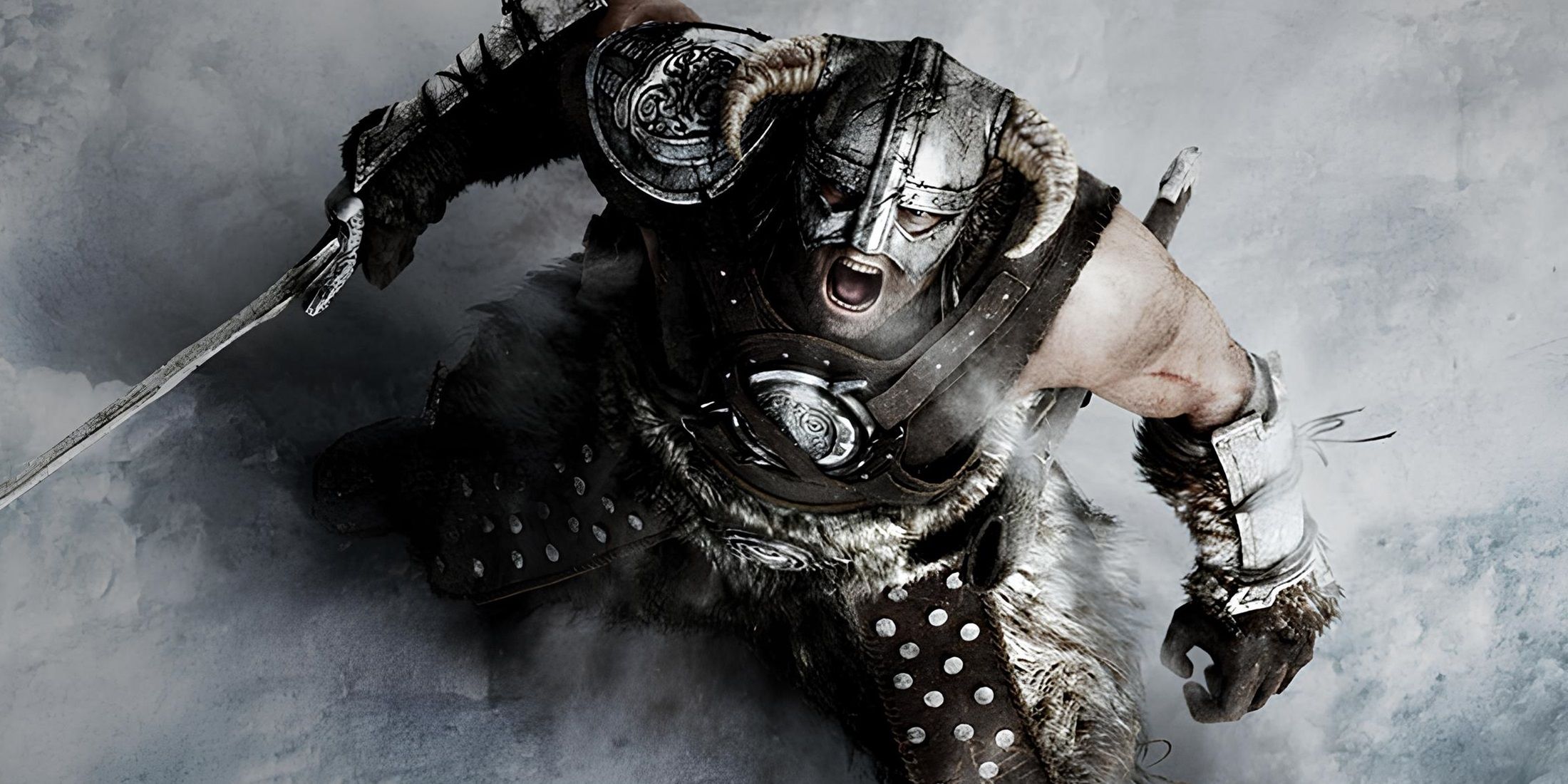
In a case that highlights the potentially devastating consequences of digital-age policing errors, a Canadian man spent 18 months behind bars due to a single missing underscore in a video game-inspired username. Brandon Klayme’s life was upended when law enforcement officers investigating a Kik messaging account made a typographical error that would set off a chain of events leading to his wrongful imprisonment. The case has since become a cautionary tale about the intersection of digital forensics, username conventions, and the human capacity for error in criminal investigations.
The incident began in 2018 when Canadian police launched an investigation targeting a specific user on Kik, a popular messaging platform. The suspect they were seeking used a username inspired by The Elder Scrolls V: Skyrim, the wildly popular fantasy role-playing game developed by Bethesda Game Studios. However, when investigators typed the username into their search, they omitted a single underscore character. This seemingly minor keystroke error led them directly to Brandon Klayme instead of their actual target. The consequences of this small mistake would prove to be anything but minor for the innocent man caught in the crosshairs of the investigation.
The Weight of a Single Character
The case underscores how usernames in the digital age have become crucial identifiers, often carrying the same weight as physical addresses or identification numbers in criminal proceedings. Kik, which launched in 2010 and gained popularity among younger users for its anonymity features, allows users to communicate without sharing phone numbers. This anonymity, while appealing to privacy-conscious users, also made the platform attractive for illicit activities, leading to numerous law enforcement investigations over the years. The platform’s username system, which allows for subtle variations including underscores, dashes, and numbers, creates an environment where similar-looking usernames can belong to entirely different individuals.
Skyrim, released in November 2011, remains one of the best-selling video games of all time, with over 60 million copies sold worldwide. The game’s cultural impact has been enormous, inspiring countless references in popular culture, including usernames across various platforms. Fans commonly incorporate character names, locations, and terminology from the game’s rich Nordic-inspired fantasy world into their online identities. This widespread adoption of Skyrim-themed usernames means that variations of similar names exist across virtually every major online platform, making precise identification absolutely critical in any investigation.
Systemic Failures and Questions of Accountability
Brandon Klayme’s wrongful imprisonment raises serious questions about verification procedures in digital investigations. Legal experts and digital forensics specialists have long warned about the dangers of relying solely on username matches without additional corroborating evidence. In an era where identity verification technology has become increasingly sophisticated, the failure to catch such a basic error before it resulted in an innocent person’s incarceration represents a significant breakdown in investigative protocols. The case highlights the need for multiple layers of verification when digital evidence forms the basis of criminal charges.
The psychological and social toll of wrongful imprisonment cannot be overstated. Studies have shown that individuals who are wrongfully convicted often struggle with employment, relationships, and mental health long after their release. For Klayme, the 18 months spent in prison for a crime he did not commit represented not just lost time, but potentially lasting damage to his reputation, career prospects, and personal well-being. Cases like his have prompted calls for reform in how digital evidence is collected, verified, and presented in criminal proceedings, with advocates pushing for stricter standards that could prevent similar miscarriages of justice in the future.
Lessons for the Digital Age
This case serves as a stark reminder of the importance of precision in digital investigations and the very real human costs when errors occur. As more of our lives move online and digital identities become increasingly important, the need for rigorous verification standards becomes ever more critical. Law enforcement agencies around the world are being forced to adapt their training and protocols to account for the complexities of online investigation, where a single character can mean the difference between catching a criminal and destroying an innocent person’s life.
Expert Opinion: This case represents a watershed moment for digital forensics accountability. Moving forward, we can expect courts to demand more rigorous verification protocols before accepting username-based evidence, potentially including IP address confirmation, device fingerprinting, and multi-factor identity verification. Law enforcement agencies that fail to implement these safeguards may face increased liability for wrongful arrests stemming from digital identification errors.