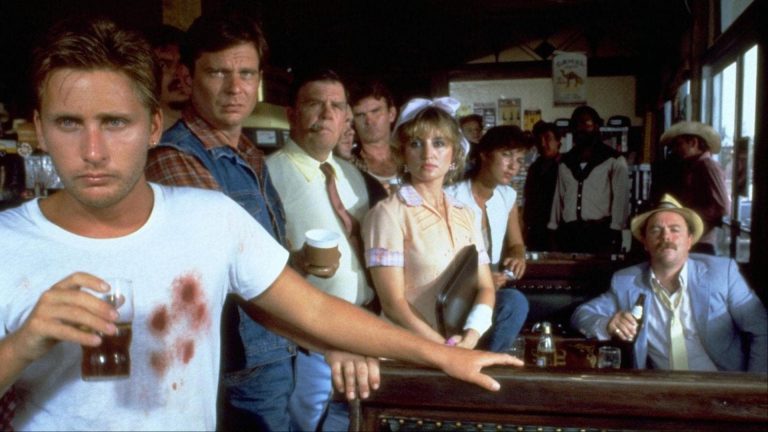

It might seem strange to look back on now, considering the carefully cultivated image Tom Cruise has projected to the world over the last two decades, but there was a time when the actor specialized in playing jerks. Not unlikable jerks, and certainly not losers, but definitely characters who rode their extreme cockiness dangerously close to the sun. He did it time and time again throughout the 1980s and early 1990s, when being a confident, borderline arrogant leading man was very much in fashion. This approach helped him become the biggest movie star in the world, setting the stage for what would eventually become one of cinema’s most enduring action franchises.
In 1996, everything changed when Cruise took on the role of Ethan Hunt in the first Mission: Impossible film, directed by Brian De Palma. The movie, now celebrating its 30th anniversary, marked a significant turning point in Cruise’s career. Rather than playing another cocky hotshot, he embodied a resourceful, team-oriented spy who relied on intelligence and physical prowess in equal measure. The film was based on the classic 1966-1973 television series of the same name, which had become a cultural touchstone for its innovative plots and memorable theme music composed by Lalo Schifrin. De Palma’s adaptation brought the concept into the modern era with a darker, more paranoid tone that reflected post-Cold War anxieties about trust and betrayal within intelligence agencies.
The Birth of a Blockbuster Franchise
The original Mission: Impossible wasn’t just a commercial success — it was a phenomenon that redefined what action movies could be. Opening to $75 million domestically in its first weekend, the film went on to gross over $457 million worldwide, making it one of the highest-grossing films of 1996. Critics praised its intricate plot, which featured now-iconic sequences including the famous Langley heist scene where Ethan Hunt descends from the ceiling suspended by cables, desperately trying not to make a sound or touch the pressure-sensitive floor. This scene alone has been referenced and parodied countless times in popular culture, cementing its place in cinematic history.
What set Mission: Impossible apart from other action films of its era was its commitment to practical stunts and genuine tension. While many blockbusters were beginning to rely heavily on emerging CGI technology, De Palma opted for a more grounded approach that put real human bodies in seemingly impossible situations. This philosophy would become the defining characteristic of the entire franchise, with each subsequent installment attempting to outdo the previous one in terms of death-defying practical stunt work. Tom Cruise himself insisted on performing many of his own stunts, a practice that would eventually become legendary as the series progressed.
Tom Cruise’s Evolution as an Action Star
The success of Mission: Impossible fundamentally transformed Tom Cruise’s career trajectory and his approach to filmmaking. Before 1996, Cruise was primarily known for dramatic roles and romantic leads in films like Top Gun, Jerry Maguire, and A Few Good Men. While these films showcased his charisma and acting ability, Mission: Impossible revealed his potential as a legitimate action star who could anchor a major franchise. The film also demonstrated his business acumen, as Cruise served as a producer on the project, giving him significant creative control over the direction of the story and future installments.
Over the subsequent three decades, the Mission: Impossible franchise has grown to include eight films, with the most recent entries — Dead Reckoning Part One and the upcoming Part Two — continuing to push the boundaries of what’s possible in action cinema. Cruise, now in his early sixties, has famously performed increasingly dangerous stunts including climbing the Burj Khalifa, hanging off the side of an airplane during takeoff, and executing a HALO jump from 25,000 feet. The franchise has grossed over $3.5 billion worldwide, making it one of the most successful film series in Hollywood history. For fans looking to revisit where it all began, the original 1996 film is now available to stream for free, offering a perfect opportunity to appreciate the movie that launched an unstoppable entertainment juggernaut.
Expert Opinion: The Mission: Impossible franchise represents a fascinating case study in sustainable Hollywood franchise building. Unlike many action series that burn out after a few installments, this franchise has actually improved over time, largely due to Cruise’s unprecedented commitment to practical stunt work and his willingness to collaborate with visionary directors. As streaming platforms continue to reshape how audiences discover classic films, the availability of the original Mission: Impossible introduces the series to new generations while reminding longtime fans why this franchise remains culturally relevant after thirty years.