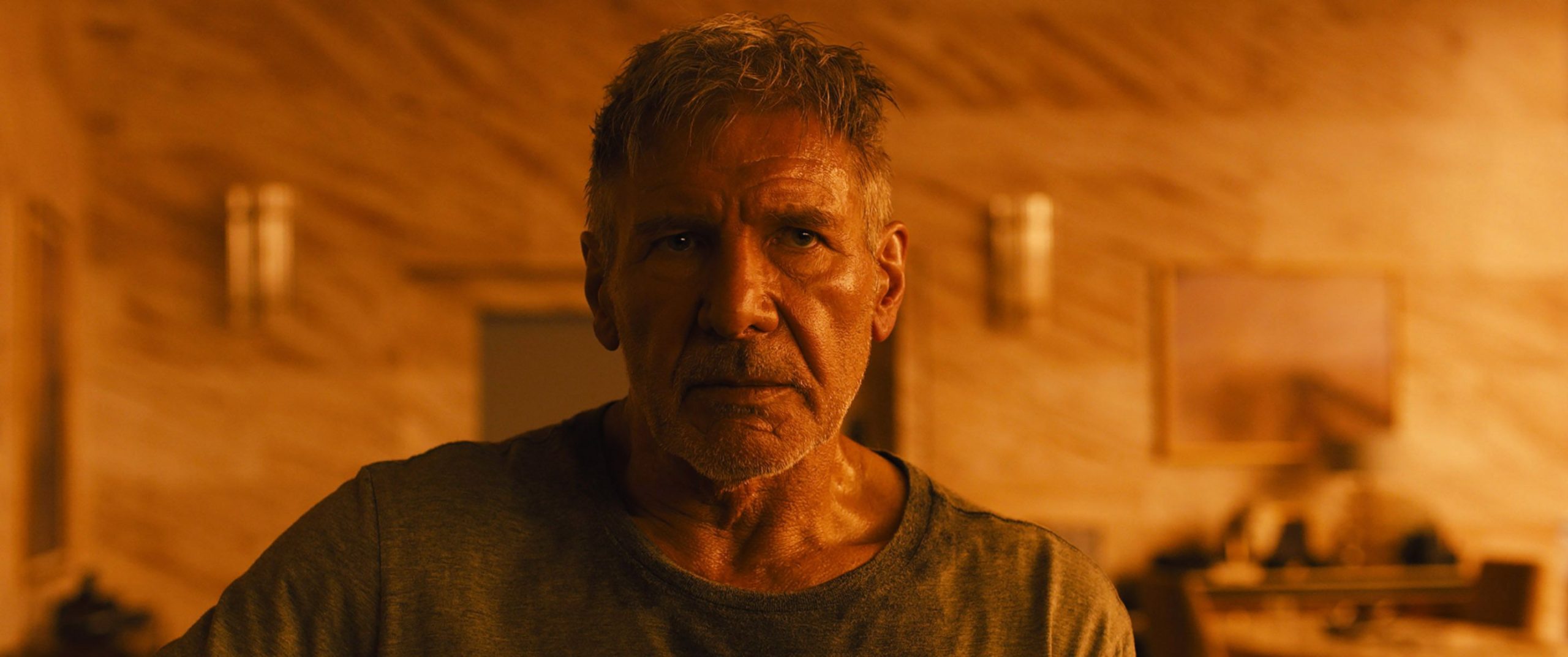
The iconic science fiction franchise Blade Runner has been inextricably linked with Harrison Ford ever since he first portrayed Rick Deckard in Ridley Scott’s groundbreaking 1982 cyberpunk masterpiece. Ford’s performance as the weary blade runner tasked with hunting down rogue replicants helped establish the film as one of the most influential science fiction works in cinema history. When Denis Villeneuve brought the franchise back to life with 2017’s critically acclaimed Blade Runner 2049, Ford reprised his legendary role, bridging the gap between generations of filmmakers and audiences alike. Now, with Amazon’s Prime Video preparing to launch Blade Runner 2099, an ambitious eight-episode miniseries set to expand the franchise’s dystopian universe, fans have been eagerly speculating about one burning question: will Harrison Ford make yet another appearance?
Creator Addresses Ford’s Involvement
The creative team behind Blade Runner 2099 has officially addressed the persistent rumors surrounding Harrison Ford’s potential involvement in the new series. Given that the show is set fifty years after the events of Blade Runner 2049, which itself took place thirty years after the original film, the timeline presents significant narrative challenges for including the character of Rick Deckard. The series creator has confirmed that while the show will honor the legacy of what came before, it will primarily focus on introducing new characters and storylines within the established universe. This approach allows the creative team to explore fresh territory while maintaining the philosophical depth and visual aesthetic that defined the original films.
The decision regarding Ford’s involvement reflects a broader trend in franchise storytelling, where creators must balance nostalgia with innovation. The Blade Runner universe offers rich thematic material about artificial intelligence, consciousness, and what it means to be human—themes that remain remarkably relevant in today’s world of rapidly advancing AI technology. By setting the series in 2099, the showrunners have given themselves creative freedom to extrapolate how society, technology, and the relationship between humans and replicants might have evolved over five decades.
The Legacy of Blade Runner
The original Blade Runner, released in 1982, was initially a commercial disappointment but gradually achieved cult status and is now widely regarded as one of the greatest science fiction films ever made. Its influence extends far beyond cinema, shaping everything from video games to fashion to architecture. The film’s vision of a rain-soaked, neon-lit Los Angeles in 2019, populated by towering corporate structures and populated by both humans and nearly indistinguishable artificial beings, established the visual vocabulary for countless dystopian narratives that followed. Ridley Scott’s masterful direction, combined with the haunting synthesizer score by Vangelis, created an atmosphere that continues to captivate audiences more than four decades later.
Blade Runner 2049 proved that the franchise could successfully continue without simply rehashing familiar territory. Director Denis Villeneuve crafted a sequel that expanded the mythology while introducing new protagonist Officer K, played by Ryan Gosling, a blade runner who uncovers a long-buried secret threatening to destabilize society. The film received widespread critical acclaim and won Academy Awards for Best Cinematography and Best Visual Effects, demonstrating that thoughtful science fiction storytelling still resonates with modern audiences. The success of 2049 undoubtedly paved the way for Amazon’s interest in developing Blade Runner 2099 as a premium television series.
What to Expect from the New Series
Blade Runner 2099 represents Amazon’s significant investment in prestige science fiction content for its streaming platform. The series promises to deliver the same philosophical complexity and stunning visual design that characterized both films while taking advantage of the extended runtime that television allows. This format will enable deeper exploration of the Blade Runner universe’s social structures, political tensions, and ethical dilemmas surrounding artificial consciousness. While specific plot details remain closely guarded, the series is expected to introduce audiences to a new generation of characters navigating a world that has continued to evolve in unexpected ways since the events depicted in previous installments.
The franchise’s enduring appeal lies in its ability to pose fundamental questions about identity, memory, and authenticity in an increasingly artificial world. As our own society grapples with the implications of artificial intelligence, genetic engineering, and corporate power, the themes explored in Blade Runner feel more prescient than ever. Whether or not Harrison Ford ultimately appears in some capacity, Blade Runner 2099 has the opportunity to continue asking the questions that have made this franchise culturally significant for over forty years.
Expert Opinion: The decision to focus on new characters rather than relying heavily on Harrison Ford’s Deckard represents a bold but necessary creative choice for the franchise’s longevity. Television’s expanded storytelling format offers unique opportunities to explore the Blade Runner universe’s complex social hierarchies and ethical dilemmas in ways that feature films cannot. If executed with the same philosophical depth as its predecessors, Blade Runner 2099 could establish itself as a benchmark for prestige science fiction television.