
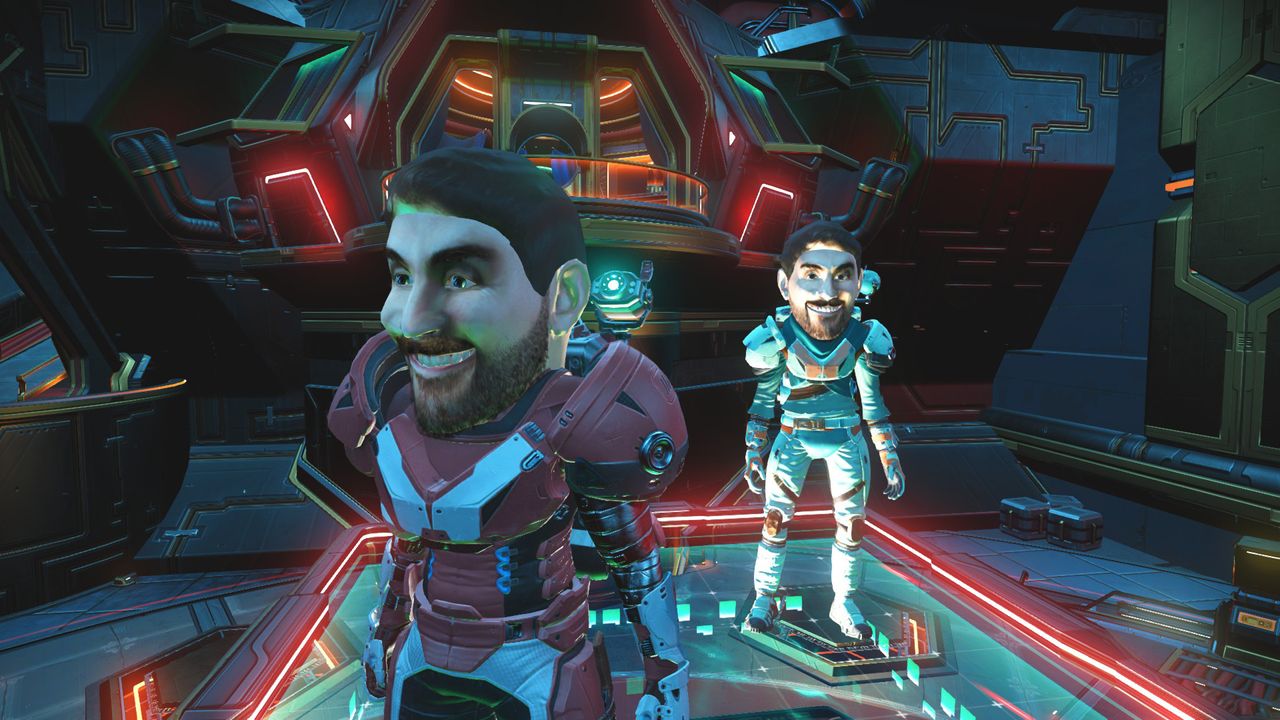
After a decade of consistent updates and player numbers that would make most game developers envious, No Man’s Sky lead developer Sean Murray has shared a surprisingly humble perspective on what truly constitutes success. In a recent interview reflecting on ten years of the groundbreaking space exploration game, Murray revealed that the moments he treasures most aren’t the record-breaking statistics or prestigious awards – they’re the quieter instances of watching his team collaborate and overcome challenges together. This reflection offers a fascinating glimpse into the philosophy that transformed No Man’s Sky from one of gaming’s most controversial launches into one of its greatest redemption stories.
When asked about the highlight moments of the past decade, Murray acknowledged that the obvious answers would be reaching the highest player counts since launch with the recent Voyagers update, or winning prestigious honors at BAFTA and The Game Awards. However, he described these achievements as secondary to what he called the “more boring, slightly difficult answer.” For Murray, the genuine development highs came from internal moments – playing new features with the team before public release, experiencing the transformative third-person camera option for the first time together, or seeing The Space Anomaly player hub come to life. These shared experiences of witnessing something new before anyone else, Murray explained, represent the true rewards of game development.
From Controversial Launch to Industry Redemption
No Man’s Sky’s journey represents perhaps the most dramatic turnaround in gaming history. When the game launched in August 2016, it faced intense criticism for perceived missing features and unmet expectations, becoming a cautionary tale about hype and marketing in the video game industry. The small team at Hello Games, based in Guildford, England, faced enormous pressure and significant public backlash. Rather than abandoning the project or moving on to new ventures as many studios might have done, Hello Games chose a different path. They went largely silent on social media and poured their energy into delivering substantial free updates that would eventually transform the game into what players had originally envisioned and beyond.
Murray’s emotional perspective on team dynamics becomes even more meaningful when considering the Beyond update, which he cited as another pivotal moment. The update launched with numerous bugs and technical issues, presenting a crisis that could have undermined the goodwill Hello Games had been steadily rebuilding. Instead, it became a testament to the team’s dedication. Murray recalled that they released approximately 27 hotfixes in a single week – an extraordinary feat that was only possible because of infrastructure and systems the team had been developing for years. More importantly to Murray, it demonstrated how well the team had learned to work together under pressure.
Building a Culture of Collaboration
The emphasis Murray places on teamwork reflects a broader philosophy at Hello Games that has likely contributed to their sustained success. While many game studios experience high turnover and burnout, particularly after difficult launches, Hello Games has maintained a relatively small but dedicated core team. This stability has allowed them to develop not just better games, but better processes for creating and deploying updates efficiently. The ability to push out dozens of patches in rapid succession isn’t merely a technical achievement – it requires seamless communication, shared understanding of codebases, and a team culture where everyone can contribute effectively under pressure. Murray’s pride in these moments suggests that Hello Games has cultivated something increasingly rare in the gaming industry: genuine team cohesion.
Murray also noted that a “weight had lifted” when the community conversation around No Man’s Sky shifted from focusing on its controversial launch to discussing new content and features. This transformation didn’t happen overnight – it took years of consistent updates including Foundations, Pathfinder, Atlas Rises, Next, Beyond, Origins, and many more. Each update added substantial new features, from base building and multiplayer to visual overhauls and new gameplay systems, all provided free to existing owners. The Voyagers update, which brought player numbers to new heights, represents the culmination of this decade-long commitment. Yet for Murray, even this achievement matters less than the journey his team took to get there and the bonds they formed along the way.
A Lesson for the Gaming Industry
Sean Murray’s reflections offer valuable insights for an industry often obsessed with metrics, sales figures, and award recognition. While these markers of success certainly matter for business sustainability, Murray’s perspective suggests that the most fulfilling aspects of game development lie elsewhere. The “buzz” he describes – going home excited because you know players will love what you’ve created together – speaks to intrinsic motivation that numbers alone cannot capture. As No Man’s Sky enters its second decade, Hello Games continues to release substantial updates, maintaining the community trust they worked so hard to rebuild. For Murray and his team, the real victory was never about proving critics wrong or achieving record statistics. It was about building something meaningful together, one update at a time.
Expert Opinion: Hello Games’ approach under Sean Murray’s leadership represents a masterclass in long-term community building that more studios should study. In an era where live-service games frequently shut down within years of launch and development teams face constant restructuring, the sustained commitment and team stability at Hello Games stands as proof that prioritizing internal culture and player trust over short-term metrics can yield extraordinary results. This philosophy may well define the next generation of successful independent studios.