The Silent Hill franchise has experienced a remarkable resurgence in recent years, transforming from a dormant property that left fans uncertain about its future into one of gaming’s most exciting comeback stories. After what seemed like an extended period of uncertainty where devoted followers could never quite predict what direction the series might take, Konami’s iconic horror franchise has been delivering consistently impressive experiences that have reinvigorated interest in the foggy, nightmare-filled town that has haunted gamers for over two decades.
The Silent Hill 2 Remake stands as a monumental achievement in the franchise’s revival, earning widespread critical acclaim and commercial success that exceeded many expectations. Developed by Bloober Team in collaboration with Konami, this reimagining of the 2001 classic introduced countless new players to the psychologically devastating story of James Sunderland while satisfying long-time fans who had waited years for the series to receive proper attention. The remake demonstrated that there was still tremendous appetite for Silent Hill’s unique brand of atmospheric horror, which prioritizes psychological terror and emotional depth over jump scares and action-oriented gameplay.
A Franchise Reborn Through Multiple Projects
What makes the current era of Silent Hill particularly exciting is the multi-pronged approach Konami has taken to revitalize the brand. Rather than relying on a single title to carry the franchise forward, the company announced multiple projects in development simultaneously, each offering a distinct vision and creative direction. Silent Hill f, set in 1960s Japan, represents perhaps the boldest departure from the series’ traditional Western settings and mythology. Despite these significant changes, the game has generated genuine excitement among fans who appreciate its willingness to explore new territory while maintaining the psychological horror elements that define the franchise.
The Silent Hill series has a rich history dating back to 1999, when the original game launched on PlayStation and established the template for what would become one of gaming’s most influential horror franchises. Created by Team Silent at Konami, the series distinguished itself from contemporaries like Resident Evil by emphasizing atmosphere, symbolism, and psychological horror over combat and survival mechanics. The town of Silent Hill itself became an iconic setting, a fog-shrouded purgatory that manifested the inner demons and traumas of those who wandered into its boundaries.
Townfall Promises a Unique Entry Point
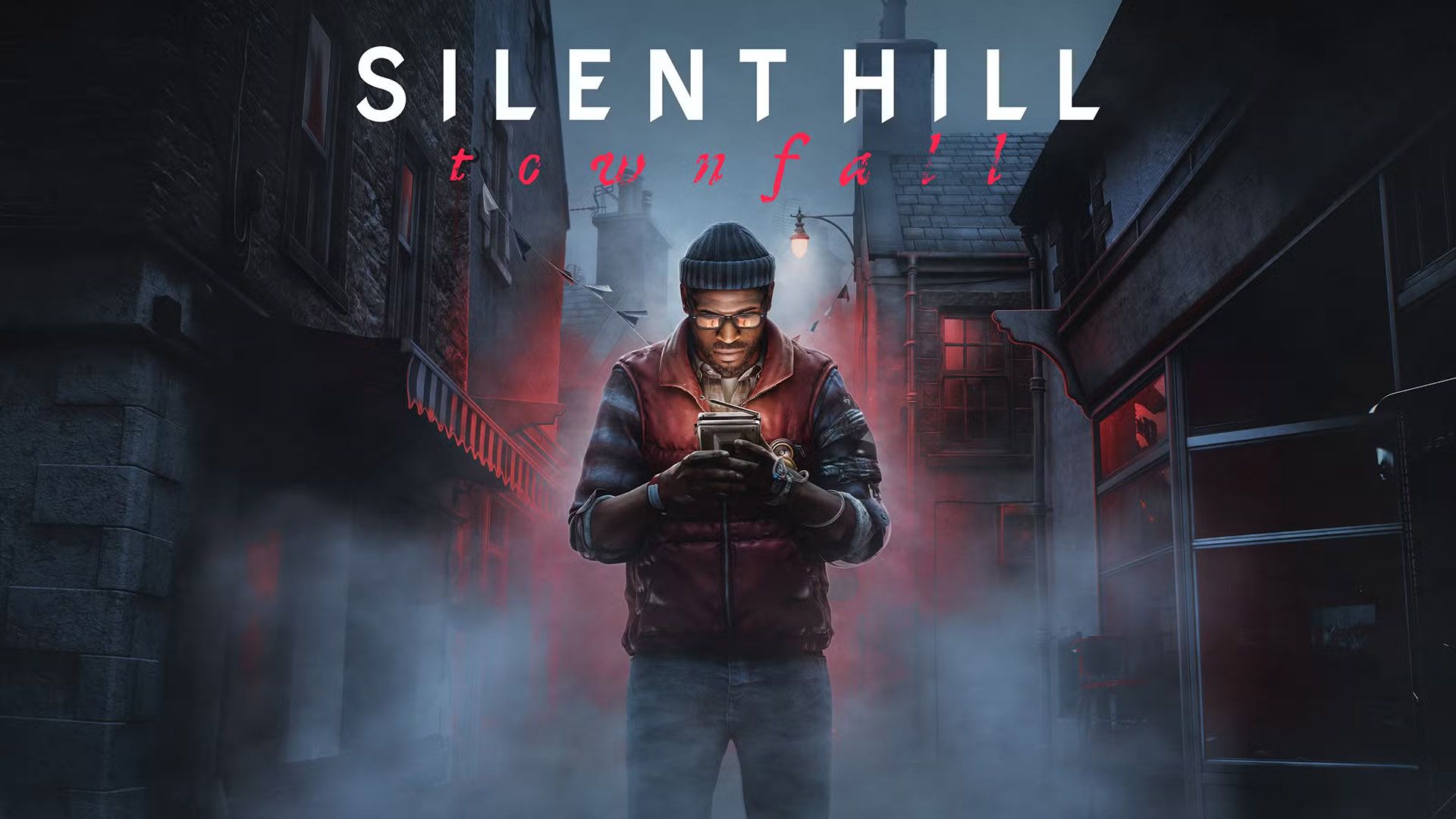
Among the announced projects, Silent Hill: Townfall represents a particularly intriguing proposition for the franchise. Being developed by No Code, the studio behind the acclaimed Stories Untold and Observation, Townfall promises to bring a fresh perspective to the Silent Hill universe. No Code has built a reputation for creating innovative narrative experiences that blend psychological horror with unconventional gameplay mechanics, making them a fascinating choice to helm a Silent Hill project. Their expertise in crafting atmospheric, story-driven experiences aligns well with the franchise’s core strengths.
The gaming industry has witnessed a broader trend of classic horror franchises receiving renewed attention and investment. Dead Space, Resident Evil, and Alan Wake have all seen successful revivals or continuations in recent years, suggesting that publishers recognize the enduring appeal of well-crafted horror experiences. Silent Hill’s resurgence fits neatly into this pattern while also standing apart due to the franchise’s unique identity and the ambitious scope of Konami’s revival plans. Industry analysts have noted that horror games continue to perform well commercially, particularly those that emphasize atmosphere and narrative over pure action.
The Future Looks Bright for Horror Fans
For long-suffering Silent Hill fans who endured years of cancellations, pachinko machine announcements, and general neglect of their beloved franchise, the current moment represents something of a dream scenario. Multiple quality games in development, a successful remake that honored its source material, and creative teams who clearly understand what makes Silent Hill special all point toward a sustainable future for the series. As Townfall and other announced projects continue development, anticipation within the community remains high, with many hoping that this renaissance represents not a brief revival but a genuine long-term commitment to one of horror gaming’s most important franchises.
Expert Opinion: The strategic decision by Konami to entrust different Silent Hill projects to specialized studios rather than relying on internal development alone demonstrates a mature understanding of modern franchise management. This approach allows each title to develop its own identity while contributing to a cohesive revival, potentially establishing a sustainable model for horror franchise development that other publishers may look to emulate in coming years.