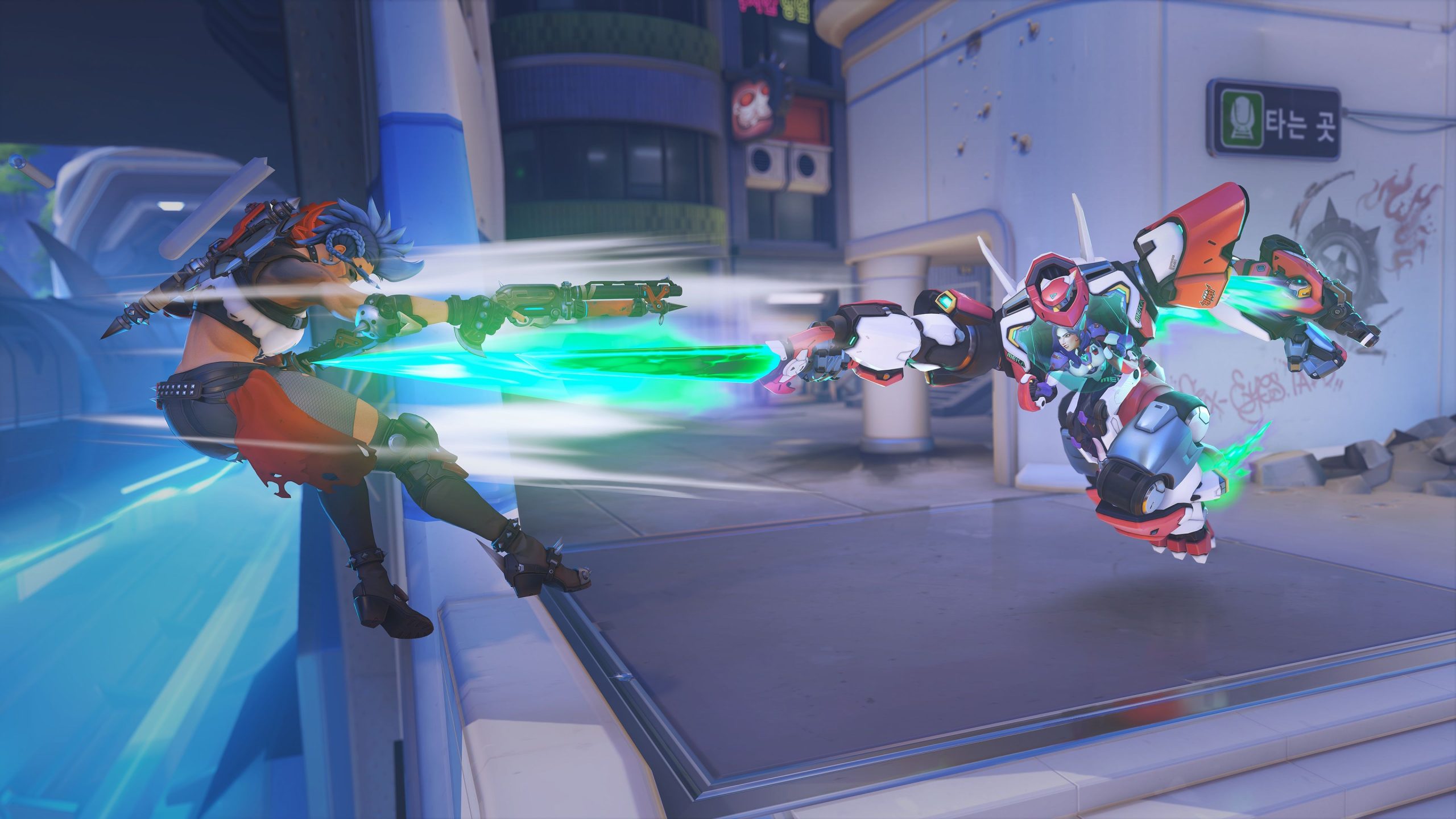
Blizzard Entertainment has unveiled a comprehensive restructuring of Overwatch’s battle pass system with the launch of Season 4, introducing changes that have sparked both praise and concern within the gaming community. While many of the modifications address longstanding player complaints about the reward system, one particular adjustment has drawn significant criticism: the relocation of free and premium currency to the final tiers of the battle pass, effectively requiring players to complete the entire pass before accessing these valuable rewards.
The revamped battle pass introduces a track-based system that organizes rewards into distinct pathways, with each track culminating in a new character skin alongside various other cosmetic items. Product Director Chris McCabe explained in an official blog post that this restructuring aims to provide players with greater control over which rewards they pursue, allowing them to prioritize the content that matters most to them. On paper, this sounds like a player-friendly improvement that addresses the frustration many felt when grinding through tiers of unwanted items to reach desirable rewards.
The Currency Controversy
However, the reorganization comes with a significant catch that has left many players feeling shortchanged. Blizzard has strategically repositioned the bulk of the free currency rewards, as well as portions of the paid premium currency, to the final sections of the battle pass. This means players who previously could earn spending money throughout their progression must now complete the entire pass to access the same amount of in-game currency they once received more gradually. For casual players who may not have the time to grind through every tier, this change effectively reduces the free currency they can realistically obtain each season.
This decision reflects a broader trend in the live-service gaming industry, where developers continually adjust monetization strategies to balance player satisfaction with revenue generation. Since Overwatch transitioned to a free-to-play model with Overwatch 2 in October 2022, Blizzard has faced ongoing criticism regarding its monetization approach. The original Overwatch operated on a one-time purchase model with earnable loot boxes, while the sequel shifted to a battle pass and premium shop system that many longtime players found less generous. The removal of loot boxes, while addressing gambling-related concerns, eliminated a pathway for players to earn cosmetics through gameplay alone.
Historical Context and Community Response
The Overwatch community has historically been vocal about monetization concerns, and this latest change adds fuel to an ongoing debate. Industry analysts note that battle pass fatigue is becoming increasingly common across the gaming landscape, as players juggle multiple passes across different games, each demanding significant time investment. By backloading currency rewards, Blizzard risks alienating casual players who contribute to the game’s active population but may not invest enough hours to reach the final tiers. This demographic is crucial for maintaining healthy matchmaking queues and overall game health.
From a business perspective, the move makes strategic sense for Blizzard. By placing currency at the end of the pass, players are incentivized to either invest more time into the game or consider purchasing the premium battle pass for additional rewards and progression bonuses. This creates a longer engagement loop that keeps players active throughout the season rather than potentially dropping off after obtaining their desired currency. However, critics argue this approach prioritizes short-term engagement metrics over long-term player goodwill and trust.
Looking Forward
As Season 4 progresses, the gaming community will be watching closely to see how these changes affect player retention and satisfaction. Blizzard has shown willingness to iterate on its battle pass system in response to feedback, having made several adjustments since Overwatch 2’s launch. Whether the company will reconsider the currency placement remains to be seen, but the reaction suggests this particular change may require further refinement. For now, players face a choice: commit to the grind, open their wallets, or accept reduced free currency earnings in a game they once paid full price to enjoy.
Expert Opinion: The currency repositioning in Overwatch’s Season 4 battle pass represents a calculated risk by Blizzard that could backfire if casual player engagement drops significantly. Industry trends suggest that overly aggressive monetization adjustments often lead to community backlash and eventual rollbacks, as seen with other major titles. Blizzard will likely monitor engagement data closely and may introduce mid-season adjustments if player retention metrics decline noticeably.