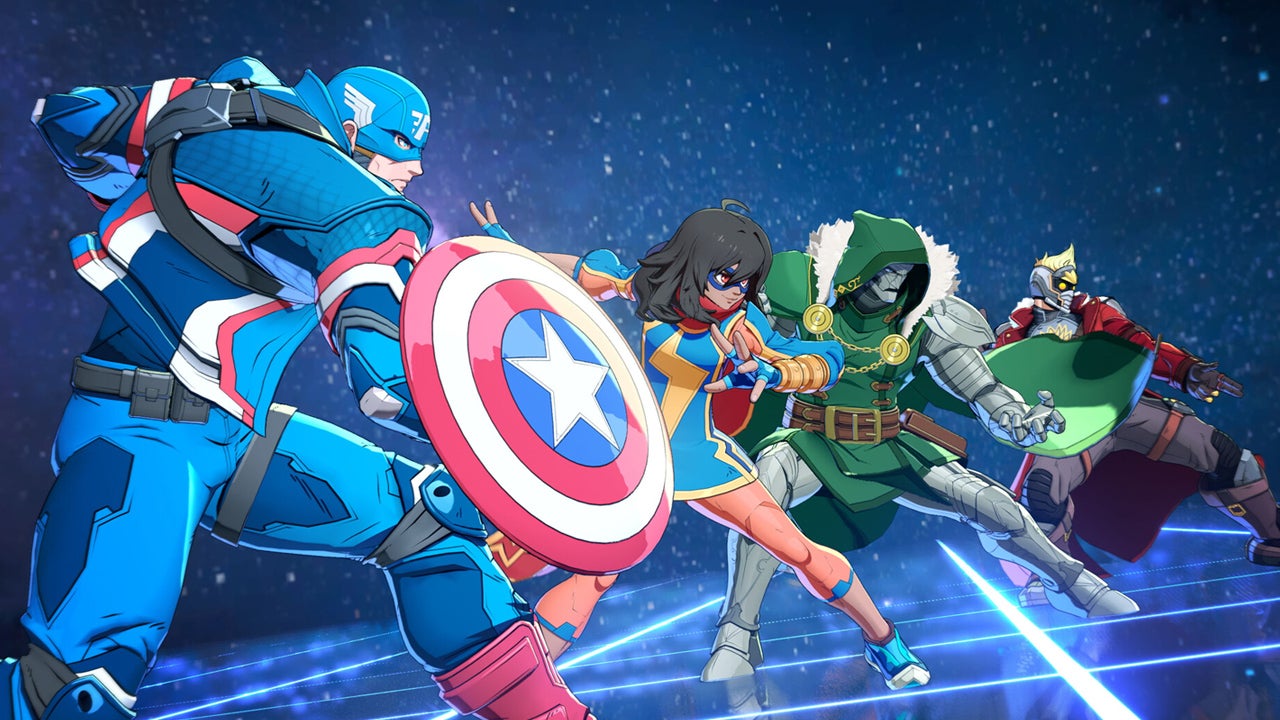
ArcSystem Works has once again demonstrated its mastery of the fighting game genre with Marvel Tokon: Fighting Souls, a title that brings the beloved Marvel universe into an innovative 4v4 tag battle format. While full pre-release access wasn’t available, extensive hours spent in the recent open beta have revealed a fighting game that’s both mechanically deep and genuinely entertaining. The game represents a significant evolution in how tag fighters operate, offering accessibility to newcomers while providing the depth that veteran players crave. With its stunning visual presentation, carefully curated roster of iconic Marvel characters, and unique approach to team-based combat, Tokon appears poised to honor the storied legacy of Marvel fighting games that began with the legendary Marvel vs. Capcom series in the 1990s.
Key Takeaways
- The shared lifebar across all four characters eliminates the need to master multiple fighters just to compete, lowering the entry barrier significantly
- Players unlock additional team members mid-match through specific actions like landing auto-combos, throws, or causing wallsplats
- Four assist positions—Leader, Shooter, Vertical, and Assault—let players customize neutral coverage and combo extensions before each match
- Active tag swaps exist but feel deliberately restrained compared to 2XKO, likely to prevent chaotic three-assist mix-up scenarios
- ArcSystem Works’ anime-style visuals give classic Marvel fighters like Spider-Man, Storm, and Magneto their most expressive fighting game appearances yet
How the Shared Lifebar Tag System Changes Everything
The fundamental structure of Marvel Tokon diverges significantly from traditional tag fighters. At its core, the game features a 4v4 tag format with distinctive rules designed to manage the potential chaos of having eight swappable characters in a single match. Perhaps the most groundbreaking change is the shared lifebar system, where all four characters on a team draw from the same health pool. This eliminates the traditional tag fighter mechanic of swapping in a fresh character to recover health while the damaged fighter waits on the sidelines. This design choice serves multiple purposes: it creates a cleaner user interface, prevents 4v4 matches from dragging on excessively, and most importantly, removes one of the biggest barriers to entry in tag fighting games – the necessity of mastering multiple characters just to be competitive.
The beauty of this system lies in its flexibility. Players can become highly competitive by mastering just a single character, yet there remains tremendous value in developing a well-synergized team. Strategic team composition allows players to counter difficult matchups – for instance, having a counter-pick ready when facing Magneto’s formidable zoning capabilities. Additionally, players who struggle with opening up opponents using a particular character, such as Blade, can lead with a more mix-up-oriented fighter, land the initial hit, then swap to their damage dealer to maximize combo potential. This design philosophy represents ArcSystem Works’ deep understanding of fighting game psychology and the learning curve new players face.
Building Skills One Character at a Time
| Position | Function |
|---|---|
| Shooter | Fires projectiles for neutral zoning |
| Vertical | Covers aerial space above the fighter |
| Assault | Deploys the character's strongest assist option |
What truly sets Marvel Tokon apart is its approach to player progression and skill development. The game feels specifically designed to allow players to build their gameplan incrementally rather than requiring mastery of everything from the outset. A newcomer can start by getting competent with a single character – learning their high/low mix-up options, developing bread-and-butter combos, and understanding their movement mechanics. This foundation is sufficient to begin competing online with confidence. As players hit the ceiling of what they can accomplish with their main character, they can return to training mode to develop secondary characters, adding new layers to their strategic toolkit. This iterative learning process represents the ideal way to approach fighting games, and Tokon seems purpose-built to facilitate it.
ArcSystem Works brings decades of fighting game development experience to this project. The studio, founded in 1988, has been responsible for some of the most technically accomplished and visually stunning fighters in the genre’s history, including Guilty Gear, BlazBlue, and most notably Dragon Ball FighterZ, which similarly adapted beloved animated characters into the fighting game format. Their expertise in creating games that balance accessibility with depth is evident throughout Tokon’s design. The company has also worked on Granblue Fantasy Versus and contributed to the development of 2XKO, giving them unparalleled insight into what makes tag fighters tick.
Mastering the Layered Assist Mechanics
Where Marvel Tokon becomes more intricate is in its assist mechanics. Matches don’t begin as full 4v4 confrontations – instead, each team starts with only two available characters. Additional fighters must be unlocked during gameplay through various actions: landing a light auto-combo, hitting opponents with moves that cause stage transitions or wallsplats near corners, connecting throws, or losing a round. Each unlocked character adds another bar to the Assemble meter, which governs assist capabilities. Before matches begin, players assign their four characters to specific positions – Leader, Shooter, Vertical, and Assault – each determining the type of assist that character provides in neutral situations. Shooters fire projectiles, Verticals cover aerial space, and Assault positions are reserved for each character’s most powerful assist options.
The assist system contains numerous specific rules that can initially overwhelm newcomers, even those experienced with other tag fighters like Marvel vs Capcom or Dragon Ball FighterZ. Neutral assists cost no meter, but assists called during combos or to cover blocked moves trigger a universal dash-attack that consumes one Assemble bar. Timing precision is critical – assists won’t activate if called too early or late. The active tag system, similar to 2XKO’s, allows temporary control swaps to assist characters while they’re on screen, though Tokon’s implementation feels more restrained. While 2XKO permits near-constant character swapping for tricky mix-up opportunities, Tokon limits these possibilities, likely to prevent the chaos that three assist characters could create. This restraint can make the active tag system feel somewhat awkward and less satisfying on offense.
Authentic Marvel Characters With ArcSys Polish
Despite the restrained active tag mechanics, Marvel Tokon delivers exceptional depth and style through its character design. Every fighter radiates personality and authenticity to their comic book origins. Spider-Man zips across the stage with acrobatic grace, baiting anti-airs by hanging from and jumping off his webs. Storm commands the weather itself, pushing and pulling objects and enemies, even snatching opponents from half-screen distance using wind gusts. Magneto fills the screen with metallic debris that serves as both projectile and weapon. While many of these characters have appeared in fighting games before, ArcSystem Works has elevated their representation to new heights, making each feel both true to their source material and genuinely entertaining to play.
The roster promises considerable diversity in playstyles and team compositions. Marvel’s decades-long history provides an incredibly rich pool of characters to draw from, each with distinctive abilities and fighting styles that translate naturally into fighting game mechanics. The visual presentation maintains ArcSystem Works’ signature anime-inspired aesthetic while adapting it to Marvel’s distinctive comic book style. Character animations are fluid and impactful, special moves are visually spectacular without sacrificing gameplay clarity, and the overall presentation rivals any fighting game currently on the market. The game also promises a substantial story mode featuring over ten hours of original narrative following the various teams in the roster, adding significant single-player value beyond the competitive multiplayer experience.
Looking ahead, several aspects remain to be thoroughly evaluated before a final verdict can be rendered. The teaching and training tools will be crucial for helping newcomers navigate the game’s complex systems. The massive online lobby system glimpsed during the beta deserves careful examination. Additionally, PC performance requires testing on live servers, given the technical issues that plagued that platform during the open beta. The foundation, however, appears remarkably solid, suggesting that Marvel Tokon: Fighting Souls could become a significant entry in both the Marvel gaming legacy and ArcSystem Works’ impressive portfolio of fighting games.
A Calculated Risk That Could Reshape Tag Fighters
The shared lifebar is the boldest design choice here. Traditional tag fighters reward players who can juggle multiple characters, punishing newcomers who only know one or two. By pooling health, ArcSystem Works removes that penalty while preserving the strategic upside of counter-picking and team synergy. It’s a trade-off that prioritizes accessibility without gutting depth.
Competitive players should watch how the assist economy evolves. The Assemble meter gating neutral assists versus combo-extension assists creates genuine resource tension—burning meter for pressure now versus saving it for defensive options later. Early meta will likely center on which characters provide the safest Shooter assists and which Assault options justify the cost.
The restrained active tag system may frustrate players coming from 2XKO’s freeform swapping, but it also prevents matches from devolving into unparseable chaos. Whether that restraint feels like smart design or missed potential will depend on how creative high-level players get with the tools they do have. Either way, this is ArcSystem Works betting that a cleaner, more readable 4v4 experience can still deliver hype moments.
Common Questions
Do I need to learn all four characters to play Marvel Tokon competitively?
No. The shared lifebar means you can compete by mastering just one character. Team depth helps with counter-picks and combo variety, but it’s optional rather than mandatory for basic competitiveness.
How do you unlock additional characters during a match?
You gain access to more teammates by landing light auto-combos, connecting throws, causing wallsplats or stage transitions, or losing a round. Each unlock adds a bar to your Assemble meter.
What's the difference between neutral assists and combo assists?
Neutral assists called outside of combos cost nothing. Assists used mid-combo or to cover blocked moves trigger a dash-attack that consumes one Assemble bar, adding resource management to pressure sequences.
Expert Opinion: Marvel Tokon: Fighting Souls represents a bold evolution in tag fighter design, with its shared health bar system potentially lowering barriers to entry while maintaining competitive depth. If ArcSystem Works can resolve the PC performance issues and refine the somewhat awkward active tag mechanics, this title could establish itself as a major contender in the competitive fighting game scene and potentially revitalize interest in Marvel-based fighters that has remained dormant since Ultimate Marvel vs. Capcom 3.