Being a video game enthusiast isn’t always an easy endeavor. For every golden year like 2015, which delivered masterpieces such as The Witcher 3, Bloodborne, and Metal Gear Solid V, there are several disappointing ones that test the patience of even the most dedicated gamers. The industry has experienced dramatic highs and devastating lows, with certain events leaving such profound impacts that they fundamentally altered how players perceive game publishers, developers, and the hobby itself. These watershed moments have shaped consumer expectations and forced the gaming community to become more vigilant about corporate practices.
The relationship between gamers and the companies that create their favorite entertainment has always been complex. Players invest not just money but emotional energy into franchises they love, making betrayals of trust feel particularly personal. When publishers prioritize profit over player experience, or when developers release products that fail to meet promised standards, the ripple effects can last for years. Understanding these pivotal moments provides valuable insight into why the gaming community has developed such a skeptical eye toward industry announcements and marketing campaigns.
The Rise of Predatory Monetization and Broken Promises
Perhaps no issue has damaged player confidence more thoroughly than the proliferation of aggressive monetization schemes. The Star Wars Battlefront II controversy of 2017 stands as a defining moment, when Electronic Arts implemented a progression system so heavily tied to loot boxes that players calculated it would take over 4,500 hours to unlock all content without paying additional money. The backlash was so severe that it attracted attention from government regulators worldwide, with Belgium and the Netherlands eventually classifying certain loot box mechanics as gambling. EA’s infamous Reddit comment defending the system became the most downvoted post in the platform’s history, accumulating over 680,000 negative votes.
This incident didn’t occur in isolation but rather represented the culmination of years of increasingly aggressive monetization strategies. The gaming industry had gradually normalized practices like day-one downloadable content, season passes, and microtransactions in full-priced games. What began as optional cosmetic purchases evolved into systems that could significantly impact gameplay, creating environments where paying players held substantial advantages over those who only purchased the base game. The Battlefront II debacle served as a wake-up call, demonstrating that there were indeed limits to what consumers would tolerate.
Launch Disasters and Technical Failures
Few events have shaken consumer confidence quite like the disastrous launch of Cyberpunk 2077 in December 2020. CD Projekt Red, a studio that had earned tremendous goodwill through The Witcher 3 and consumer-friendly policies, released a game so broken on last-generation consoles that Sony took the unprecedented step of removing it from the PlayStation Store entirely. Players encountered game-breaking bugs, crashes, and performance issues that made the title nearly unplayable on PlayStation 4 and Xbox One, the very platforms it had been marketed toward for years. The contrast between the polished marketing materials and the actual product represented one of gaming’s most significant cases of misleading advertising.
The Cyberpunk 2077 situation echoed earlier disasters like the launches of Anthem, Fallout 76, and No Man’s Sky, each of which shipped in states far below acceptable standards. These failures revealed troubling patterns within the industry, including crunch culture that exhausted development teams, unrealistic deadlines imposed by publishers, and marketing departments operating independently of actual development progress. While some titles like No Man’s Sky eventually delivered on their promises through years of free updates, the initial damage to consumer trust proved difficult to repair. Players learned to approach highly anticipated releases with increased skepticism, waiting for post-launch reviews rather than pre-ordering based on promises alone.
The Erosion of Consumer Rights and Digital Ownership
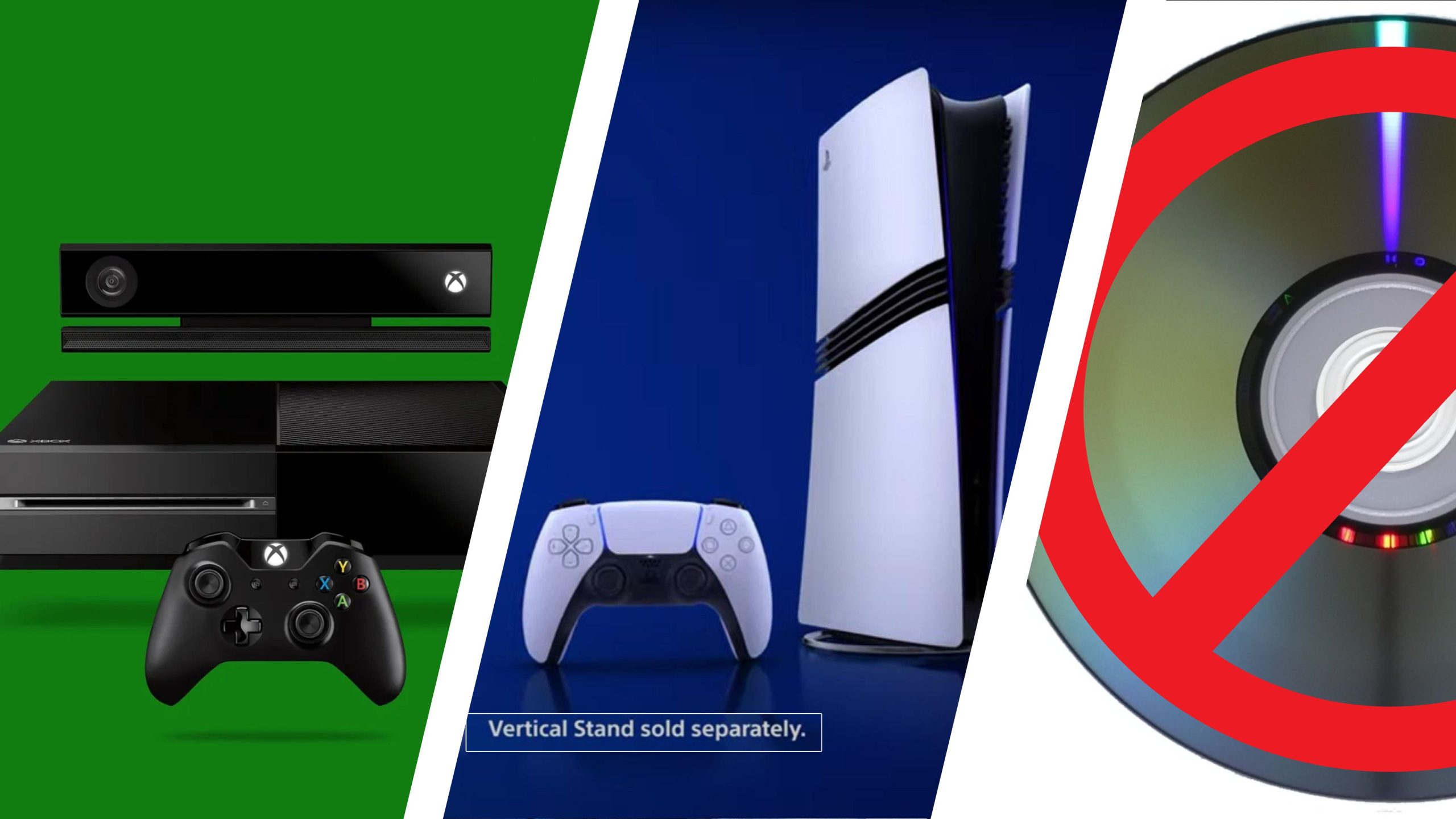
The shift toward digital distribution has raised fundamental questions about what it means to own a video game. Incidents where players lost access to purchased content have highlighted the precarious nature of digital ownership. When servers shut down, games are delisted, or accounts are banned, players can lose access to libraries worth thousands of dollars with little legal recourse. The concept of games as a service rather than a product has fundamentally altered the relationship between consumers and publishers, often to the detriment of player rights.
Recent moves by major publishers to integrate artificial intelligence into game development, coupled with ongoing debates about subscription services replacing traditional ownership models, suggest that these tensions will only intensify. The gaming community has responded by becoming more organized in its advocacy, pushing for preservation efforts, demanding offline functionality, and scrutinizing terms of service agreements more carefully than ever before. While these events have certainly damaged trust, they have also fostered a more informed and engaged consumer base determined to hold the industry accountable for its practices.
Expert Opinion: The gaming industry appears to be at a critical inflection point where rebuilding consumer trust will require more than marketing promises—it will demand fundamental changes in how games are developed, monetized, and delivered. Studios that prioritize transparency, realistic development timelines, and fair monetization practices are likely to capture market share from competitors who continue pursuing short-term profits at the expense of player goodwill. The next five years will determine whether the industry learns from these costly mistakes or continues repeating them.