After years of speculation and eager anticipation from millions of fans worldwide, CD Projekt Red has finally provided the gaming community with its first concrete timeline for The Witcher 4. While this isn’t the precise release date that devoted followers have been desperately hoping for, it represents a significant milestone in the development of what promises to be one of the most anticipated games of the decade. The Polish developer has officially confirmed that The Witcher 4 is targeting a 2028 release window, effectively ruling out any possibility of playing the next chapter in Geralt’s universe before then.
This announcement puts to rest various rumors that had circulated throughout gaming communities suggesting the game might arrive as early as 2026 or 2027. Fans should temper their expectations accordingly, as the development team appears committed to taking the necessary time to deliver a polished, complete experience. Given CD Projekt Red’s troubled history with the launch of Cyberpunk 2077, which released in 2020 with numerous technical issues and incomplete features, the studio seems determined to avoid repeating those mistakes with their beloved Witcher franchise.
A New Chapter in the Witcher Saga
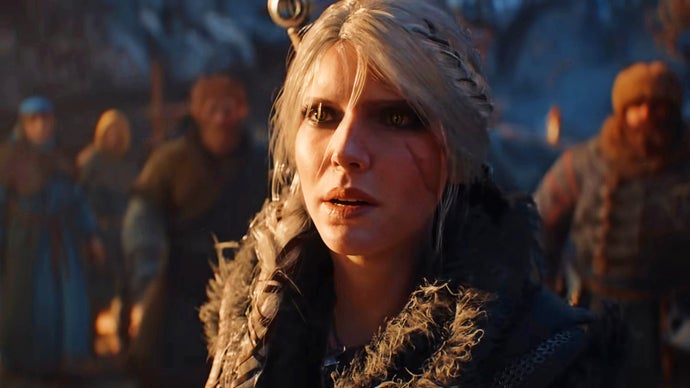
The Witcher 4, currently being developed under the codename “Polaris,” represents the beginning of a new saga in the acclaimed fantasy RPG series. Unlike the original trilogy that followed the adventures of Geralt of Rivia, this new installment is expected to feature Ciri as the main protagonist, though CD Projekt Red has remained characteristically secretive about specific plot details. The game is being built on Unreal Engine 5, marking a significant technical departure from the proprietary REDengine that powered previous Witcher titles and Cyberpunk 2077.
The decision to switch to Epic Games’ Unreal Engine 5 was announced in early 2022 and represents one of the most significant technical decisions in the studio’s history. This move is expected to streamline development, provide access to cutting-edge graphical capabilities, and potentially reduce the technical debt that has historically plagued CD Projekt Red’s releases. Industry analysts have suggested that this engine transition, while beneficial in the long run, likely contributed to the extended development timeline.
CD Projekt Red’s Ambitious Development Pipeline
The Witcher 4 is just one part of CD Projekt Red’s ambitious plans for the coming years. The company has announced an entire new Witcher trilogy, with Polaris serving as the first installment. Additionally, the studio is simultaneously developing a sequel to Cyberpunk 2077, codenamed “Orion,” and a completely new intellectual property codenamed “Hadar.” This multi-project approach represents a significant expansion of the company’s development capabilities and ambitions.
Founded in 1994, CD Projekt Red has grown from a small Polish game distributor into one of the world’s most respected RPG developers. The original Witcher game launched in 2007, followed by The Witcher 2: Assassins of Kings in 2011 and the critically acclaimed The Witcher 3: Wild Hunt in 2015. The third installment sold over 50 million copies and won numerous Game of the Year awards, cementing the series’ place in gaming history. The franchise also inspired the highly successful Netflix television adaptation starring Henry Cavill and later Liam Hemsworth.
What Fans Can Expect Moving Forward
While the 2028 target may seem distant, it provides the development team with ample time to craft an experience worthy of the Witcher legacy. CD Projekt Red has indicated that more information about the game will be revealed in the coming years, likely through events like Gamescom, The Game Awards, or the company’s own presentations. The studio has learned valuable lessons from the Cyberpunk 2077 launch debacle and appears committed to a more measured, transparent approach to marketing and release scheduling this time around.
Industry observers note that the extended development window also allows CD Projekt Red to fully leverage the capabilities of current-generation hardware, including the PlayStation 5 and Xbox Series X/S, as well as potentially preparing for next-generation consoles that may emerge before 2028. This strategic timing could position The Witcher 4 as a showcase title for whatever gaming hardware landscape exists at launch, maximizing both its technical achievements and commercial potential.
Expert Opinion: The 2028 release window demonstrates CD Projekt Red’s commitment to quality over rushed deadlines, a lesson painfully learned from Cyberpunk 2077’s troubled launch. Given the studio’s expanded workforce and strategic engine transition to Unreal Engine 5, this timeline appears realistic and suggests we can expect a more polished product at launch. The Witcher 4 is positioned to become a defining title of the late 2020s gaming landscape, potentially setting new standards for open-world RPG experiences.