Cold Symmetry has returned with the highly anticipated sequel to their critically acclaimed indie Soulslike, Mortal Shell. The original game, released in 2020, took the gaming world by surprise with its unique shell-swapping mechanics and brutally satisfying combat. Now, with Mortal Shell II, the small development team has set out to prove that lightning can indeed strike twice. After spending extensive time with this sequel, exploring every dark corner and dying countless times in the process, we’re ready to deliver our comprehensive verdict on whether this follow-up lives up to the immense hype that has surrounded it since the open beta.
The Soulslike genre has exploded in popularity since FromSoftware’s groundbreaking Dark Souls series redefined action RPGs over a decade ago. What started as a niche subgenre has become one of gaming’s most competitive spaces, with titles like Lies of P, Lords of the Fallen, and Nioh 2 all vying for the attention of players who crave punishing difficulty and rewarding combat. Cold Symmetry, a team of just fifteen developers, managed to carve out their own space in this crowded market with the original Mortal Shell. Their success proved that a small studio with a clear vision could compete with much larger productions, setting the stage for what many hoped would be an even more ambitious sequel.
Story and Setting: A Deeper Dive into the Fallgrim World
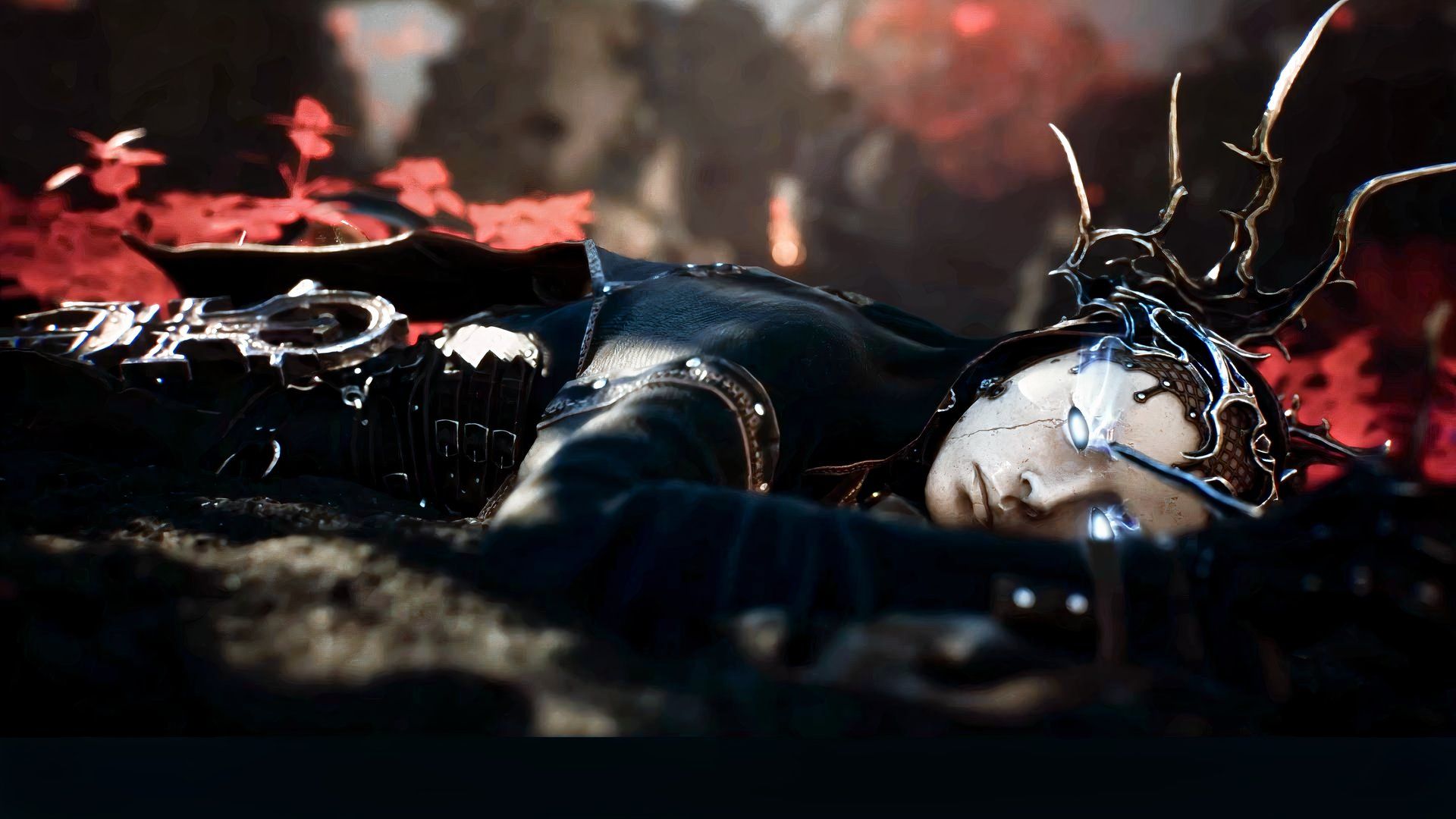
Mortal Shell II expands significantly on the cryptic lore and haunting atmosphere that defined its predecessor. The original game took place in the dying world of Fallgrim, where players inhabited the bodies of fallen warriors called shells to survive against nightmarish creatures. The sequel picks up in the aftermath of those events, presenting a world that has continued to decay while introducing new regions that feel both connected to and distinct from what came before. The environmental storytelling has been enhanced considerably, with every crumbling structure and scattered corpse telling a piece of the larger narrative puzzle. Players who appreciated the mysterious, fragmented storytelling of FromSoftware’s titles will find much to love here, as Cold Symmetry has clearly refined their approach to worldbuilding.
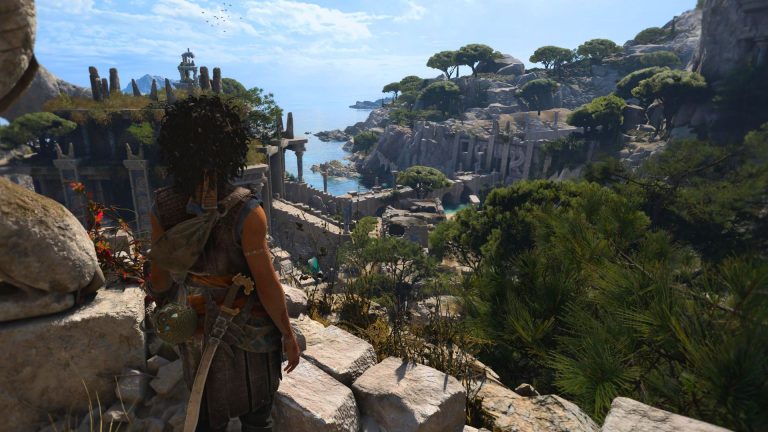
The new locations offer remarkable visual diversity while maintaining the oppressive atmosphere the series is known for. From crystalline caverns that refract ethereal light to decaying fortresses consumed by organic corruption, each area presents unique challenges and rewards for exploration. The art direction deserves particular praise, as the team has managed to create environments that feel genuinely unsettling without relying on shock value or gratuitous imagery. Instead, there’s a melancholic beauty to the decay that permeates every screen, making exploration feel both daunting and irresistible.
Gameplay Mechanics: Evolution of the Shell System
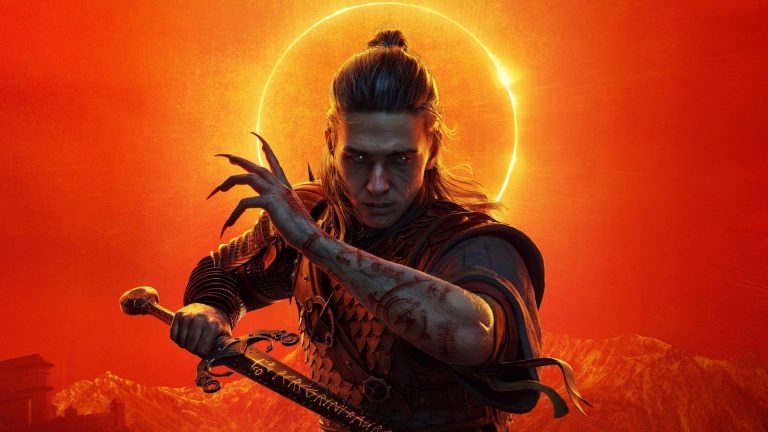
The core shell-swapping mechanic that distinguished the original game has been significantly expanded in this sequel. Players once again inhabit different shells, each offering unique abilities, playstyles, and upgrade paths. However, Cold Symmetry has introduced new shells with more distinct personalities and combat approaches, encouraging experimentation throughout the journey. The harden mechanic, which allows players to temporarily turn their shell to stone and absorb incoming attacks, remains central to the experience but now features additional layers of strategic depth. New shell abilities can be chained with hardening in creative ways, rewarding players who master the timing and rhythm of combat.
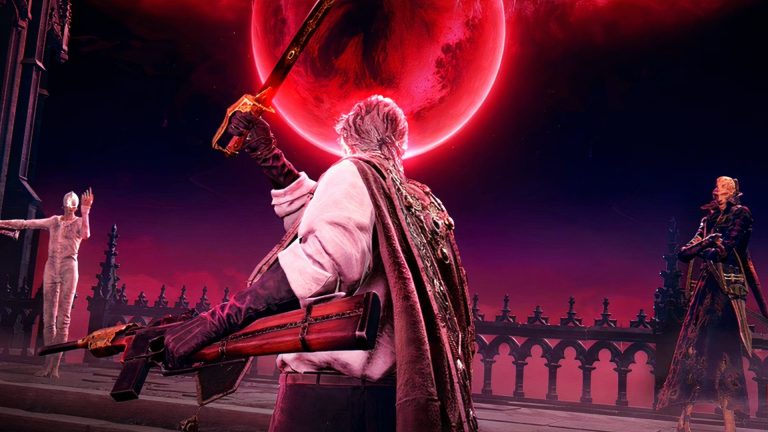
Weapon variety has also seen major improvements, addressing one of the few criticisms leveled at the original game. The sequel offers a broader arsenal of armaments, each with unique movesets, special abilities, and upgrade trees. Combat feels weightier and more responsive than before, with improved animation blending and hit feedback that makes every successful strike deeply satisfying. Boss encounters showcase the development team’s growth, presenting multi-phase battles that test player mastery while avoiding the frustrating unfairness that can plague lesser entries in the genre.
Performance and Technical Polish
On the technical front, Mortal Shell II demonstrates the benefits of an experienced team working with established tools. Performance across all platforms has been notably smooth during our testing, with stable frame rates and minimal loading times on current-generation hardware. The visual fidelity represents a significant leap from the original, with improved lighting, more detailed character models, and environmental effects that enhance immersion without sacrificing performance. Cold Symmetry has clearly learned from community feedback and their own experience, delivering a polished product that feels ready for launch rather than requiring extensive post-release patching.
The audio design deserves special mention, as the atmospheric soundscape contributes enormously to the game’s oppressive mood. Environmental audio, from distant howls to the unsettling ambiance of corrupted spaces, creates constant tension. The musical score swells appropriately during boss encounters while remaining subtle during exploration, striking an effective balance that enhances rather than overwhelms the experience. Voice acting for the mysterious characters players encounter has also improved, lending additional weight to the cryptic dialogue and fragmented lore.
Expert Opinion: Mortal Shell II represents a remarkable achievement for Cold Symmetry, demonstrating that indie developers can not only compete in the Soulslike space but potentially lead it. The sequel addresses nearly every criticism of the original while expanding on what made it special, suggesting a bright future for the franchise. If the studio continues this trajectory, they may well establish themselves as one of the defining voices in the action RPG genre alongside industry giants.